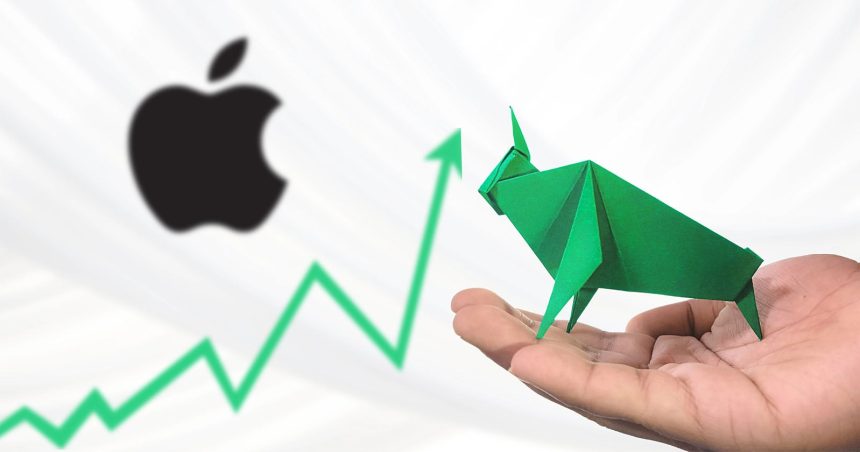
Wall Street just handed Apple a milestone that only one other company has ever touched: a $5 trillion market capitalization. On July 28, 2026, the iPhone maker briefly became the second-ever member of that exclusive club, following Nvidia, which crossed the line back in October.
Here’s the twist that has analysts scratching their heads. Apple didn’t sprint to this valuation by out-spending everyone on artificial intelligence. It got there by essentially refusing to run the same race. While rivals poured eye-watering sums into data centers, model training and splashy AI hardware, Apple largely kept its Apple Intelligence tools in the background — a supporting feature rather than the headline act.
It’s a strategy that looks almost heretical in 2026. The tech industry’s dominant narrative has been simple: spend on AI or get left behind. Nvidia rode that spending frenzy straight to $5 trillion first, selling the picks and shovels to everyone digging for gold. Apple, meanwhile, sat on its hands — and the market rewarded the restraint.
Why does that work? A few reasons stand out:
- Discipline over hype. Apple avoided the massive capital burn that weighs on companies chasing AI infrastructure at any cost.
- The ecosystem still sells. Hundreds of millions of users, a sticky services business and hardware margins that most rivals can only dream about keep the cash flowing regardless of AI headlines.
- Patience as a product feature. By treating AI as a quiet enhancement rather than a bet-the-company gamble, Apple insulated itself from the volatility that comes with over-promising.
Becoming the world’s most valuable company last week was one thing. Doubling down days later to touch $5 trillion is a statement — and it flips the conventional wisdom on its head. For every executive being told that the only path forward is to spend big on AI, Apple has just presented the counter-argument in the bluntest terms available: a trillion-dollar valuation delta.
Of course, a $5 trillion cap reached temporarily isn’t the same as sitting there comfortably. Market values swing, and Apple’s position above that line was fleeting. But the symbolism lands regardless. In an era where AI ambition is measured in billions of dollars of spending, the company that spent the least conspicuously ended up worth the most.
Whether Apple’s low-key approach to Apple Intelligence proves visionary or simply lucky remains an open question. For now, though, the scoreboard reads clearly — and it suggests that in the AI gold rush, sometimes the smartest move is to keep selling iPhones.