Ask any photographer what they’d pay for a camera strap stitched from the reclaimed seats of a retired train car, and you’ll get a very specific number followed by a heavy sigh. That strap exists. Ricoh made it. And unless you happen to live in Japan, you can’t have it.
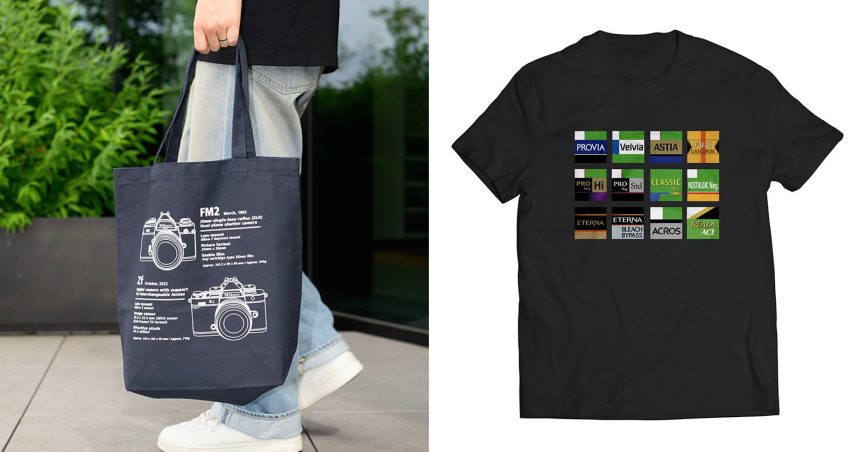
This is the quiet frustration simmering across the photography world right now: camera manufacturers produce genuinely desirable branded merchandise, but they treat it like a regional secret. Japan, in particular, sees a steady stream of limited-edition goods — the kind of thoughtful, slightly eccentric objects that turn a brand logo into an actual conversation piece. Everywhere else, enthusiasts get to admire these things through screens, then watch them vanish into the aftermarket at inflated prices.
The train-seat strap is a perfect example of what makes this stuff appealing. It’s not just a logo slapped on a generic accessory. It’s a story you can wear, built from material with genuine history. That’s the sort of product that photographers — a crowd already obsessed with gear, provenance and craftsmanship — will happily line up for.
So why the artificial scarcity? Part of it is marketing tradition. Limited runs create buzz and reward local loyalty. Part of it is logistics: shipping small-batch merchandise internationally, dealing with customs and managing returns is a headache few camera divisions want to take on when their core business is selling sensors and lenses. And part of it, frankly, is that merch is treated as an afterthought rather than a revenue stream worth developing.
But that calculus feels increasingly outdated. Brands like Leica have proven that photographers will pay premium prices for objects that signal taste and belonging. The appetite for branded apparel, bags, straps and desk trinkets is real and global. Fashion houses figured out the merch economy years ago; camera companies are sitting on similarly strong brand equity and largely ignoring it.
There’s no technical reason this has to stay a Japan-only privilege. A dedicated online store, region-agnostic shipping and a willingness to reprint popular items would let manufacturers turn fan enthusiasm into steady income — while deepening the emotional bond between shooters and the brands they already champion.
The demand is obvious. The products already exist. What’s missing is the will to sell them to everyone who wants one. Until that changes, photographers outside Japan will keep doing what they’ve always done: scrolling through photos of gear they can’t buy, muttering quietly, and refreshing the resale listings just in case.