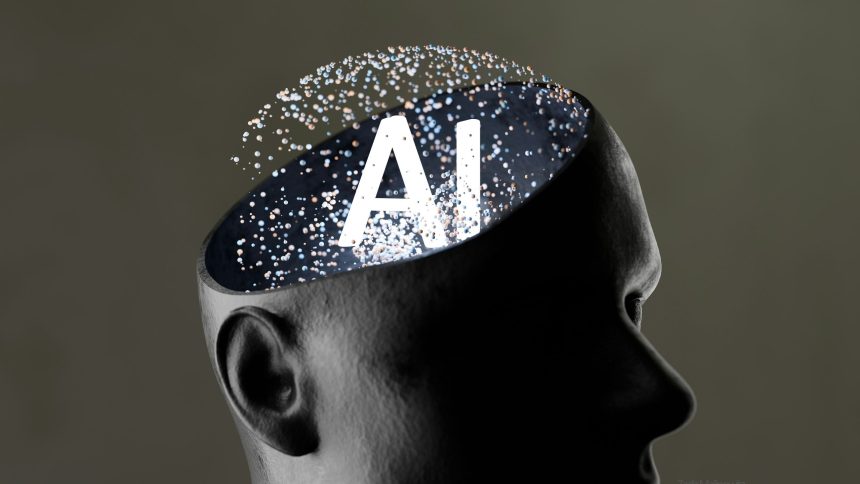
For most of human history, memory has been gloriously unreliable. We misremember arguments, soften painful moments, and let embarrassing episodes fade into a comfortable blur. Now a new generation of AI assistants is quietly rewriting that deal. Tools like ChatGPT can retain everything you tell them — your habits, your worries, the offhand comment you made months ago — and recall it on demand with unnerving precision.
On paper, this sounds like a dream. An assistant that never forgets your preferences, your deadlines, or the name of your dentist? Sign us up. But there’s a psychological catch buried in all that flawless recall, and it’s worth thinking about before you hand your entire inner life to a chatbot with a photographic memory.
Forgetting isn’t a flaw — it’s how we cope. Human memory is selective by design. We naturally let the sharp edges of bad experiences dull over time, which is part of how we move on from failure, grief, and awkwardness. A system that stores every version of you forever removes that natural erosion. Your worst day, your least flattering opinion, the phase you’d rather leave behind — all of it stays perfectly preserved, ready to resurface.
That creates a subtle new form of pressure. When a machine can quote your past back at you verbatim, you may start to feel accountable to a version of yourself you’d normally be allowed to outgrow. Psychologists have long argued that identity is fluid: we edit our own stories to make sense of who we’re becoming. A perfect external memory can freeze that story in place.
Then there’s the question of who really owns the archive. Every remembered detail is also a data point. A persistent AI memory isn’t just a convenience for you — it’s a remarkably rich profile of your fears, routines, and vulnerabilities sitting on someone else’s servers. The more useful the memory feels, the more you feed it, and the harder it becomes to walk away.
None of this means you should swear off AI memory features entirely. Used deliberately, they’re genuinely handy for the boring, factual stuff — appointments, recurring tasks, project context. The trap is treating an always-on memory as a neutral upgrade rather than a trade-off.
A few practical instincts help:
- Curate what you share. Save the logistics, not the confessions.
- Prune regularly. Delete stored memories the way you’d clean out a drawer.
- Keep the off switch handy. A tool that can’t forget should at least let you make it forget.
The future of AI isn’t just about how much these systems can remember. It’s about whether we still get to decide what’s worth forgetting — and whether we’re willing to defend the very human right to move on.