A $250 million war chest lands with a clear mandate: get autonomous strike and interceptor drones into active combat theaters by the end of 2026. That’s the promise Neros Technologies made when it closed its funding round on August 11, and unlike a lot of defense-tech ambition, this one comes with hardware already on the runway.
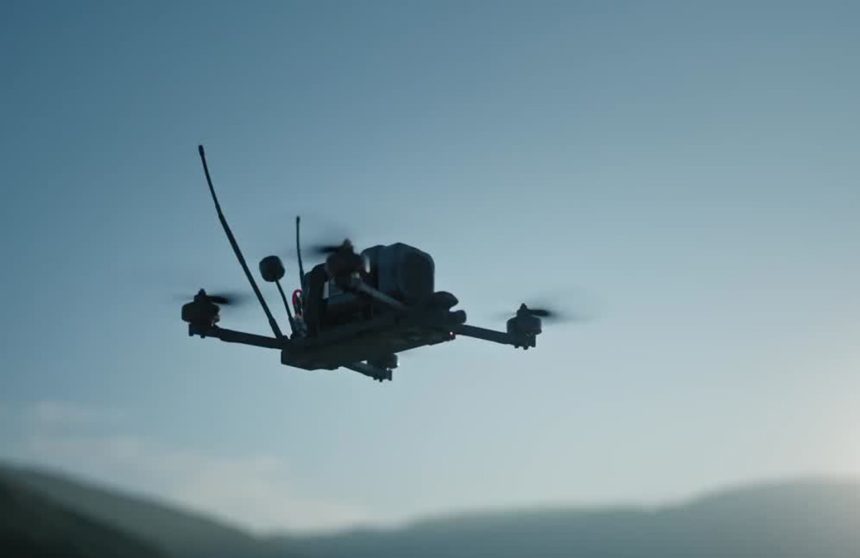
The Torrance, California startup is pushing two platforms. The first is Archer AI, an FPV (first-person view) strike aircraft built around a pair of features that matter enormously on a contested battlefield: Terminal Guidance, which lets the drone autonomously guide itself to its target even after a human operator loses the feed, and GPS-denied Position Hold, which keeps the aircraft flying straight when adversaries jam or spoof satellite navigation. In modern electronic-warfare environments, that second capability is arguably worth more than raw speed.
Then there’s Bandit, a counter-UAS interceptor aimed squarely at the drones-versus-drones problem that has come to define recent conflicts. Neros designed it to knock down Class 2 and Class 3 threats — the category that includes Shahed-style loitering munitions that have made headlines for their swarming, low-cost menace. Bandit answers cheap-and-many with fast-and-precise: an estimated 233 mph top speed and a ceiling above 16,500 ft, enough to chase and catch incoming threats before they reach their targets.
The economics are the quiet headline here. A base Archer airframe runs about US$2,000, climbing to roughly US$5,000 fully kitted with a warhead. The AI-enhanced Archer AI configuration lands in the US$3,000–US$6,000 range once sensors and warheads are factored in. Those are figures that look less like traditional defense procurement and more like consumer electronics — and that’s the point. Attritable drones only work if you can afford to lose them by the thousand.
What the $250 million actually buys is scale and brains. Neros says the money goes toward the hardware and onboard compute needed for multi-asset control — the ability to coordinate many drones at once rather than tethering each to a single pilot. That’s the leap from novelty to doctrine: one operator, a swarm of aircraft, and enough edge AI to keep flying when the links go dark.
As of mid-August 2026, both Archer AI and Bandit remain scheduled for deployment in combat theaters before the year is out. It’s an aggressive timeline for a company promising to solve two of the hardest problems in unmanned warfare at once — cheap precision strike and affordable interception — but the funding and the flight specs suggest Neros isn’t just talking.
Whether the December deadline holds is the story worth watching. If it does, the shape of contested airspace changes with it.