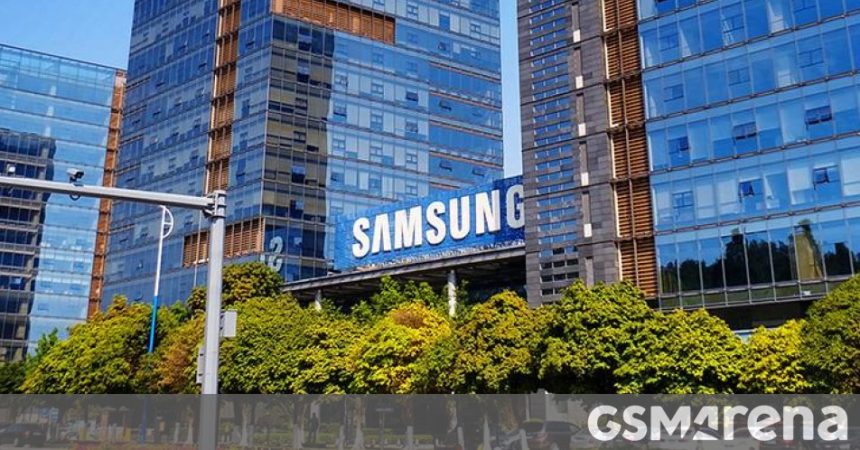
Memory prices are on the rise, and one company is cashing in harder than anyone else. According to Counterpoint Research’s Q2 2026 report, Samsung didn’t just hold onto its crown in the global DRAM market — it pushed the gap between itself and the chasing pack even wider.
The Korean giant claimed 39% of worldwide DRAM sales in the quarter, locking in the top spot for the third consecutive time. When prices spike, scale matters, and Samsung’s sheer manufacturing muscle turned rising DRAM costs into a very comfortable quarter.
Behind it, the standings tightened up in interesting ways:
- SK Hynix — 26% of sales, holding second place
- Micron — 25%, breathing right down SK Hynix’s neck
- CXMT — 7%, the notable challenger from China
The rest of the market was split among smaller manufacturers. What stands out here isn’t just Samsung’s dominance but how close the race for second has become — a single percentage point separates SK Hynix and Micron, and any swing in demand or pricing could reshuffle that order in the next quarter.
The bigger story is why Samsung came out ahead. Rising DRAM prices tend to reward the players who can supply the most volume, and Samsung’s production capacity lets it convert market-wide price increases directly into revenue and share gains. Rather than being squeezed by higher costs, the company leaned into the trend.
For everyone buying laptops, phones and PCs, higher DRAM prices are rarely good news — memory is a core component, and when its cost climbs, that pressure eventually reaches consumer devices. Samsung’s growing lead is a reminder of just how much influence a single supplier holds over the parts that end up inside almost every gadget we use.
With three straight quarters at the front and a widening margin over SK Hynix, Samsung heads into the rest of 2026 as the clear pacesetter. Whether Micron can leapfrog SK Hynix for the runner-up position — and whether CXMT keeps chipping away at the establishment — are the questions worth watching in the quarters ahead.