The Colorado River supplies water to 40 million people in the Western US, and its reservoirs are below 30% of capacity. Amazon now wants to be seen helping it. On September 21, 2026, the company launched the Colorado River Basin Collaborative (CRBC) and committed $20 million to water conservation projects in communities that depend on the river.
The timing is not a coincidence. Data centers use a lot of water, and tech companies are facing more questions about how much of it they take. Amazon’s own numbers are still incomplete.
Money from a coalition
Amazon is not doing this alone. The CRBC is run with the Water Resilience Coalition, part of the Pacific Institute, and aims to raise $100 million over two years. Eight organizations have joined so far:
- Amazon
- Aldi
- The Coca-Cola Foundation
- Ecolab
- EdgeConneX
- Grundfos
- Vantage
- Xylem
At launch, members had committed $32 million, and Amazon’s $20 million is included in that figure. There is no shared pot of money. Each company signs its own contracts with vetted project teams. According to Amazon, the river’s yearly supply falls short of demand by roughly 1 trillion gallons. The basin also irrigates 5.5 million acres of farmland, serves 30 tribal nations and grows 90% of America’s winter vegetables.
Sensors in the fields, leak hunting in the cities
The first two projects show where the money is going:
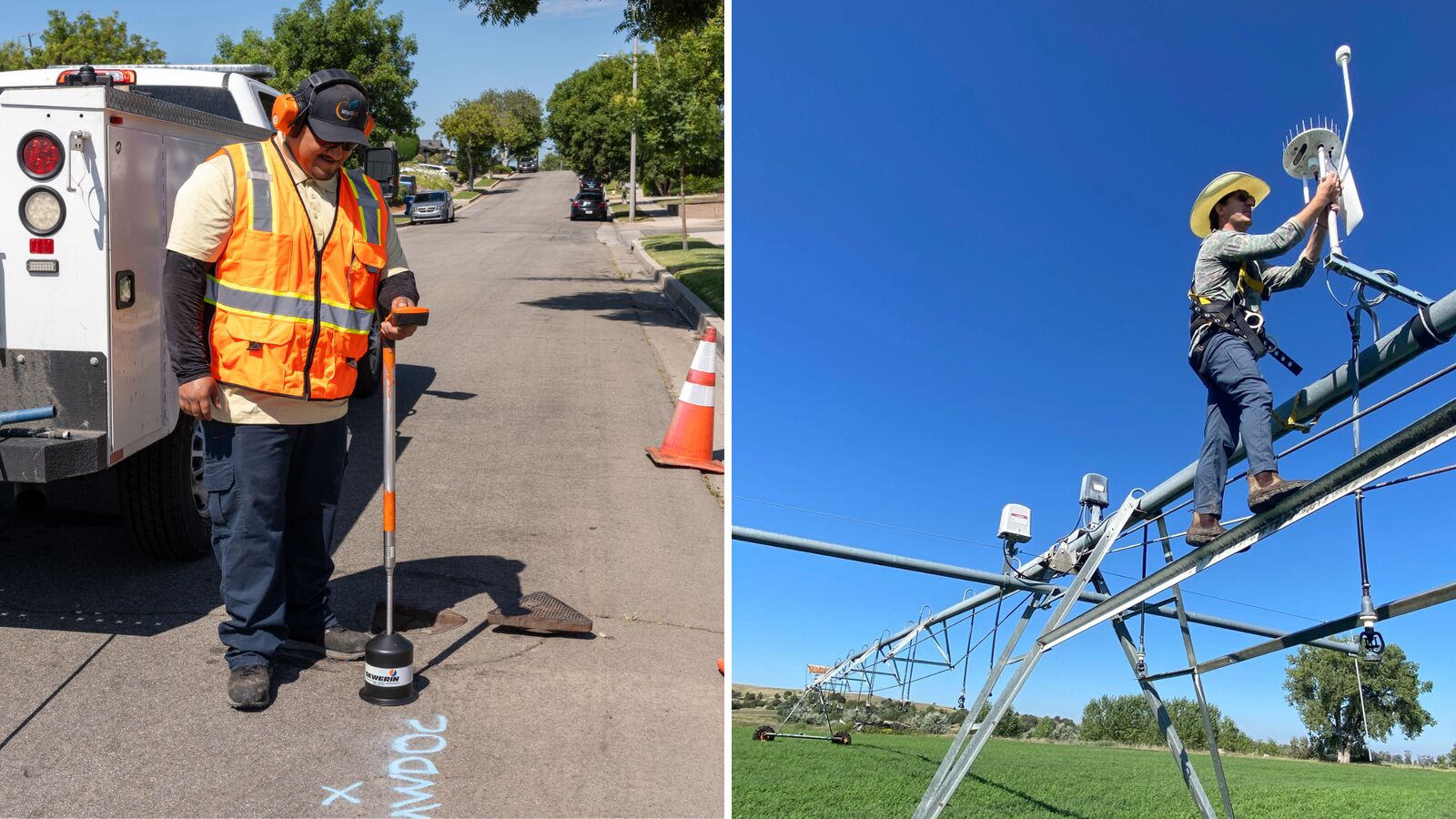
- Arable, $2.4 million. The agtech company is installing AWS-powered sensors on tribal farmland in the Lower Colorado River Basin. The sensors give farmers real-time data on when their crops actually need water. The expected savings are about 238 million gallons a year, and less water would be drawn from Lake Mead.
- Municipal Water District of Orange County, $2.2 million over three years. This money expands leak detection and repair in a district of 3.2 million residents. The target is 189 million gallons saved each year.
Will Hewes, Amazon’s water sustainability lead, told KUER that companies benefiting from the basin have “an opportunity, and really a responsibility” to help solve its problems. Chief Sustainability Officer Kara Hurst pointed to the Climate Pledge as proof that “progress accelerates” when companies work on a problem together.
The number that is still missing
Amazon’s goal is for AWS to be water positive by 2030, which means returning more water than it uses. In June 2026, the company disclosed its data center water withdrawals for the first time: 2.5 billion gallons in 2025. Latitude Media notes that the figure covers AWS data centers only. It leaves out the rest of Amazon’s business and the indirect water used to generate the electricity those data centers consume.
Researchers want more detailed, site-by-site data, and local opposition to new data centers keeps growing. Until that data exists, the CRBC is a real and measurable investment in the Colorado River, but it cannot be compared against Amazon’s full water footprint, because nobody outside the company knows that number.