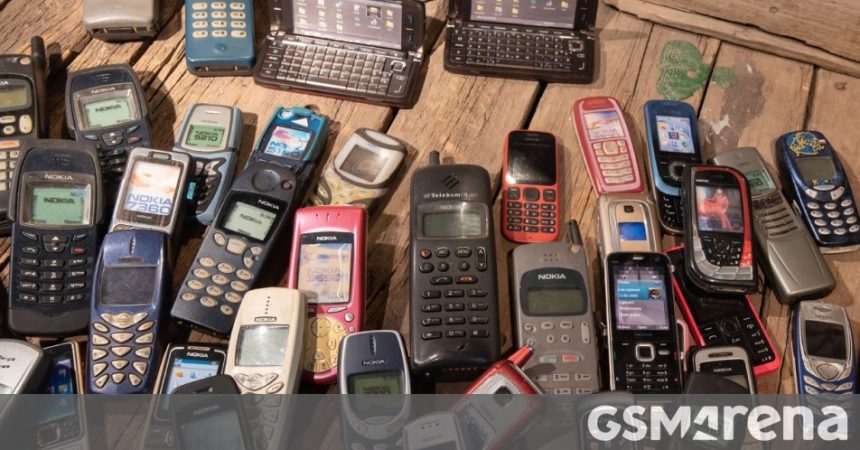
Rumors of the feature phone’s death have been greatly exaggerated. Our latest weekly poll turned up a genuinely surprising result: roughly one third of voters said they still reach for a feature phone at least occasionally. A smaller but stubborn group goes further, running a feature phone as their only device, no smartphone in sight.
That’s not the outcome most people would predict in 2026, when the average handset is a slab of glass packed with AI assistants, multi-lens cameras and app stores. Yet the humble candy-bar phone keeps carving out a niche, and the reasons are more practical than nostalgic.
Part of the appeal is obvious. Feature phones deliver marathon battery life, survive drops that would shatter a flagship, and don’t constantly beg for your attention with notifications. For anyone chasing a bit of digital detox, a phone that only calls and texts is less a limitation than a feature.
Still, the readers who commented were quick to point out where the model breaks down. In many countries a smartphone has quietly become non-negotiable infrastructure:
- Messaging family, friends and clients who live inside apps
- Two-factor and banking authentication that assumes you own a smartphone
- Everyday services — from parking to public transport — that increasingly expect an app
That’s the tension at the heart of the results. Some voters admitted they’d love to simplify, but the surrounding ecosystem simply won’t let them. A few are actively weighing the switch, tempted by the idea of ditching the smartphone but not yet ready to cut the cord. And a large portion of voters made their position perfectly clear: they are never going back to feature phones, full stop.
What the poll really captures is a spectrum rather than a binary. On one end sit the smartphone loyalists who couldn’t function without maps, cameras and constant connectivity. On the other are the minimalists who happily live with a device that does three things well and asks for a charge once a week. In between is a growing curious middle — people who keep a feature phone as a backup, a travel handset, a festival phone, or a way to stay reachable without staying online.
It’s a useful reminder that the tech world’s relentless march forward doesn’t sweep everyone along at the same pace. Feature phones aren’t fighting smartphones for market dominance; they’re occupying the gaps that smartphones create — the desire for durability, distance and simplicity. As long as those needs exist, the category has a reason to survive.
So while the smartphone remains the default for most, the poll makes one thing plain: the feature phone still has a loyal, and surprisingly sizeable, audience.