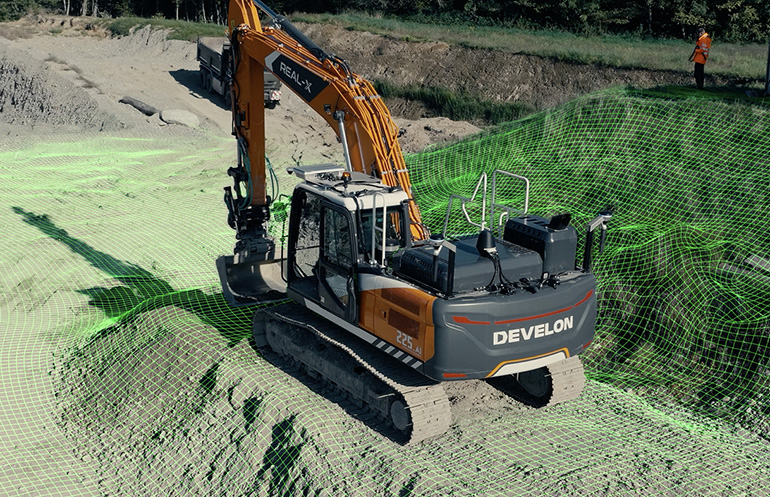
Construction sites are noisy, dangerous, and chronically short of skilled operators. Gravis Robotics thinks the fix is to take the human out of the cab entirely, and investors clearly agree: the company has raised US$200 million to push its autonomous construction technology onto job sites around the world.
Rather than building a single flagship machine and hoping the industry adapts to it, Gravis is going the other way. The company has developed autonomy AI and hardware designed to bolt onto a wide range of excavators and construction equipment. In other words, the ambition isn’t to sell you a shiny new robot — it’s to make the excavators, diggers and machines already grinding away on site think and act for themselves.
That distinction matters. Heavy equipment is expensive and long-lived, and contractors don’t rip out their fleets on a whim. A retrofittable autonomy stack — the sensors, compute and software that let a machine perceive its surroundings and execute tasks without a driver — is a far easier sell than a ground-up replacement. It also means a single platform can, in theory, spread across brands and machine types instead of being locked to one manufacturer.
The appeal is easy to spot:
- Safety. Removing operators from the cab pulls people away from the most hazardous zones on a site.
- Labor. The construction sector faces a persistent shortage of qualified operators, and autonomy sidesteps that bottleneck.
- Consistency. Machines don’t tire, don’t need breaks, and can repeat precise tasks around the clock.
Autonomy in construction is a genuinely hard problem, harder in many ways than self-driving cars. Job sites are unstructured, constantly changing environments — mud, dust, shifting terrain, other machines and workers moving unpredictably. There are no painted lanes to follow and no tidy map that stays valid for more than a day. Cracking that requires perception and decision-making robust enough to cope with chaos, which is exactly where the AI half of Gravis’ pitch earns its keep.
A $200 million round is a serious vote of confidence, and it signals that the company is moving past pilot projects toward real deployment. Gravis says it plans to scale globally — a statement that carries weight when you consider how differently construction operates across regions, regulatory regimes and equipment standards. Pulling that off will demand not just clever software but a supply chain, support network and integration process that travels well.
For the broader robotics industry, this is another data point in a clear trend: the most valuable near-term autonomy isn’t happening on public roads, but on the controlled, high-stakes, labor-starved sites where machines already do the heavy lifting. If Gravis can make retrofitted autonomy reliable and repeatable, the driverless excavator may reach the mainstream long before the driverless taxi does.