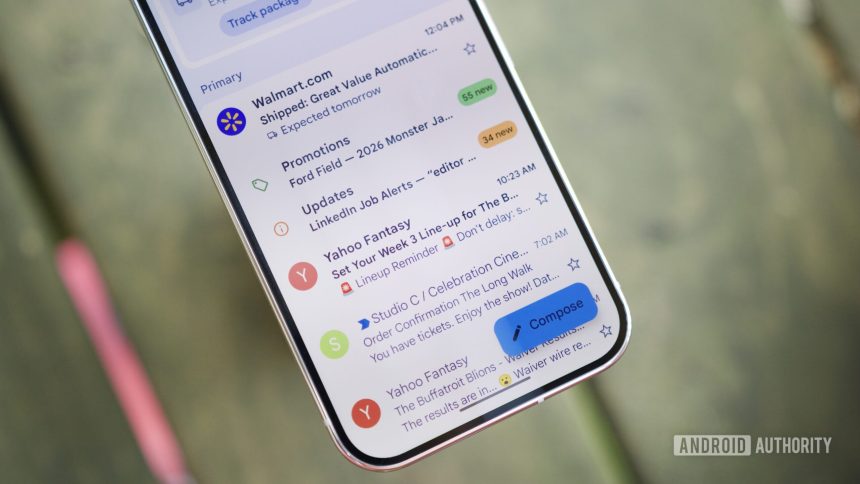
Your email address is the master key to your digital life — it unlocks logins, password resets, receipts and, unfortunately, an endless stream of marketing junk. Every time you hand it over to a shopping site, a newsletter or a random app, you lose a little more control over who has it. The fix isn’t a burner Gmail account you check twice a year. It’s an email alias service.
The concept is elegant. Instead of surrendering your real address, you generate a unique, disposable alias for each service you sign up for. Messages sent to that alias are quietly forwarded to your genuine inbox, so nothing changes on your end. But if one of those companies gets breached — or sells your data — you can see exactly who leaked it and switch that single alias off with one click. The spam dies at the door.
There’s a healthy field of options, each with its own philosophy:
- SimpleLogin — a favorite among privacy purists, offering unlimited aliases, custom domains and reply support so recipients never see your real address.
- Addy.io — open-source and flexible, with generous alias creation and fine-grained control over forwarding.
- Firefox Relay — Mozilla’s take, baked into the browser ecosystem for people who want privacy without extra software.
- DuckDuckGo Email Protection — strips trackers out of your mail before forwarding, layering anti-surveillance on top of aliasing.
- Apple Hide My Email — built into iCloud and Sign in with Apple, generating random addresses seamlessly across the Apple ecosystem.
What makes these services genuinely useful, rather than just novel, is the accountability they create. A random alias like x7g2k@yourdomain means nothing to a data broker, but it tells you everything: which merchant, which signup, which moment you gave up your details. When the phishing attempts start rolling in, you already know the source.
They also sidestep the biggest weakness of the old “secondary email” approach. A single throwaway account still ties all your sign-ups together, and once it’s compromised, everything spills at once. Per-service aliases compartmentalize the damage — a breach at one retailer never touches your banking login or your primary contacts.
The trade-offs are minor but worth knowing. Free tiers often cap the number of aliases or restrict custom domains, and reply-from-alias support varies between providers. Tightly integrated options like Apple Hide My Email and Firefox Relay are frictionless but keep you inside their walled gardens, while SimpleLogin and Addy.io reward users willing to tinker with maximum flexibility.
None of this requires abandoning your existing email. Point an alias at your current inbox, keep using the client you already love, and let the service do the filtering. It’s one of the rare privacy upgrades that costs almost nothing, takes minutes to set up, and pays dividends every time a company you trusted turns out not to deserve it.