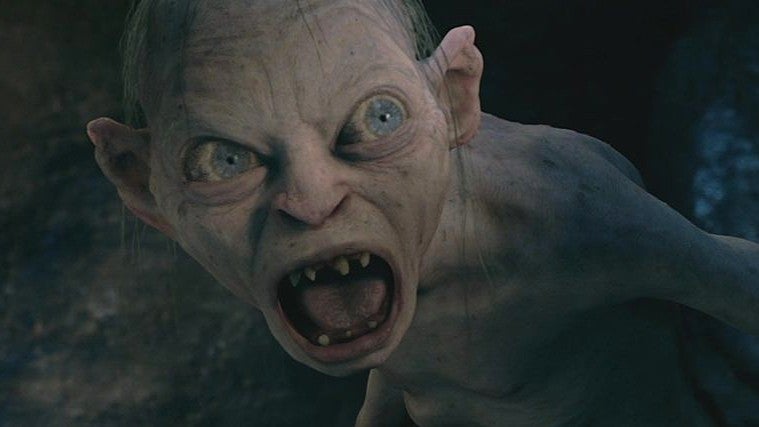
Middle-earth is about to get another entry, and speculation has swirled about whether it might lean on machine learning to keep its cast looking the part. Andy Serkis is attached to The Lord of the Rings: The Hunt for Gollum, with Peter Jackson producing and writing, but reports that the film will use AI and machine learning to digitally de-age some of its characters remain unverified.
For a franchise built on groundbreaking visual effects — Serkis himself pioneered performance capture as the original Gollum more than two decades ago — such a move would be less a surprise than a logical next step. Digital de-aging isn’t new to blockbuster filmmaking, but it has traditionally been a painstaking, frame-by-frame VFX process. Feeding that work through machine-learning pipelines promises to speed things up and, in theory, produce more convincing results.
The technique could matter here for narrative reasons. The Hunt for Gollum has been widely expected to fill in a gap in the Middle-earth timeline, with some reports suggesting it will track the pursuit of the creature Gollum during the years between The Hobbit and The Fellowship of the Ring — though the studio has not confirmed the film’s plot. Such a period would place several familiar faces at younger points in their lives, which is precisely where de-aging becomes useful — letting returning actors appear as their characters did decades earlier without recasting.
Serkis is set to reprise his signature role, reuniting a creative lineage that stretches back to Peter Jackson’s original trilogy. Whether the production publicly acknowledges any AI element would be notable in itself. De-aging work is often kept quiet until a film’s release, revealed only in behind-the-scenes featurettes. Being upfront about it would step into a conversation the wider industry has been having with increasing intensity — how far machine learning should reach into the craft of filmmaking, and how transparent studios should be about it.
There’s an obvious tension worth flagging. The same tools that can seamlessly rewind an actor’s age also sit at the center of ongoing debates about consent, likeness rights and the role of human artists in visual effects. A franchise as scrutinized as The Lord of the Rings using these techniques would inevitably draw attention to how the work is done and who signs off on it.
For now, the technical details remain thin. There’s been no confirmation of the specific software, studios or the extent of any de-aging across the cast. What’s clear is the potential intent: to use AI as a practical production tool in service of continuity, keeping any older-and-younger versions of its characters visually consistent across a sprawling timeline.
Whether audiences would embrace machine-assisted de-aging or scrutinize every frame for uncanny slips would likely become one of the film’s talking points. Middle-earth has always been a proving ground for cutting-edge effects — and it seems the next battle may be fought in the realm of neural networks.