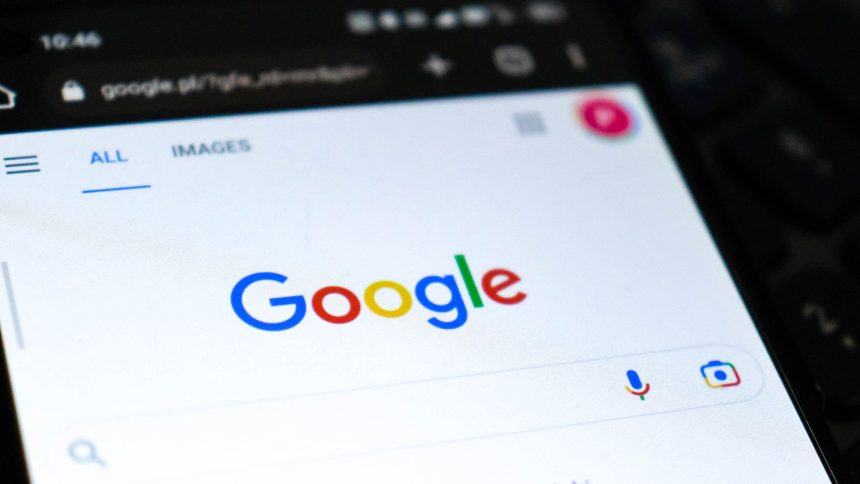
Google is marking the 25th anniversary of Google Images with something more ambitious than a nostalgic logo tweak: it’s baking a free AI image generator directly into Search. Announced on July 14, 2026, the feature lets you conjure pictures out of plain text without ever leaving the results page — no separate app, no paywall, no credit system to burn through.
The engine behind it is Nano Banana, also referred to as Nano Banana 2 Lite. The workflow is exactly as simple as it sounds: you type a description of what you want to see, and the model turns that text prompt into a brand-new image on the fly. Fancy a watercolor fox in a raincoat or a diagram-style illustration for a school project? You describe it, Google draws it.
Crucially, this arrives through AI Overviews — the summarized answer boxes that already sit at the top of many searches. That placement is the interesting part. Instead of treating image generation as a destination you seek out, Google is folding it into the moment you’re already looking something up. Ask about an idea and, alongside the usual links and summaries, you may soon be able to generate a visual to match.
The headline detail for most people will be the price: it’s free to use. That undercuts the subscription-gated approach of plenty of rival image tools and hands casual users a low-friction way to experiment with generative art.
Alongside the generator, Google is giving Google Images itself a visual revamp — a fitting gesture for a service that has been quietly indexing the web’s pictures for a quarter of a century. Google didn’t spell out every cosmetic change, but the pairing signals that Images is being repositioned as a place to both find and create.
A few caveats are worth flagging. As of now, the feature is not yet publicly available — the rollout begins in the coming weeks. Here’s how the initial launch shapes up:
- Language: English at launch
- Availability: regions that already support image generation in AI mode
- Cost: free
That regional gating is a familiar Google pattern: features tied to AI mode tend to expand outward gradually rather than flip on everywhere at once. So while the anniversary framing is celebratory, patience may still be required depending on where you live.
It’s a neat piece of positioning. By putting a capable text-to-image model where billions of searches already happen — and charging nothing for it — Google is betting that generative imagery becomes less of a novelty and more of a reflex. Twenty-five years after Google Images taught the world to search for pictures, the sequel is teaching it to make them.