Samsung’s next flagship wearable is nearly here, and on paper it has everything: a fresh design, the latest silicon, and Samsung’s ever-expanding suite of health metrics. Yet there’s one small feature — or rather, one philosophy — from the Garmin camp that might just keep some of us from making the jump.
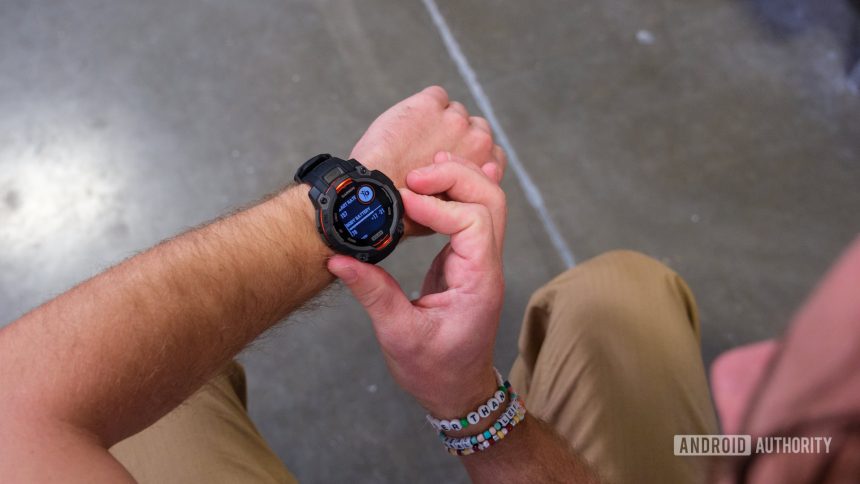
Garmin’s approach to daily energy tracking boils down to a single, elegant number: Body Battery. It gives you one score, from morning to night, that tells you how much gas you’ve got left in the tank. Wake up refreshed and it’s high; grind through a stressful day with poor sleep and you’ll watch it drain in real time. It’s intuitive precisely because it doesn’t overwhelm you.
Samsung, by contrast, has leaned into abundance. Between Energy Score, Sleep Score, stress readings and a growing constellation of daily wellness insights, the Galaxy Watch experience can feel like a dashboard that needs its own dashboard. There’s real value buried in all that data — but sometimes you just want one glance to tell you whether to push harder or take it easy.
That’s the heart of the argument: why settle for many scores when one will do? Garmin’s Body Battery isn’t necessarily more accurate than Samsung’s metrics, but its simplicity is its superpower. It removes the mental overhead of interpreting a spreadsheet’s worth of numbers and hands you a decision instead of homework.
None of this means the Galaxy Watch 9 won’t be tempting. Samsung has a track record of polished hardware, tight integration with Android phones, and a genuinely capable health platform. For anyone already living inside the Galaxy ecosystem, the pull of a seamless upgrade is strong.
The catch is that once you’ve spent time with a single, no-nonsense energy metric, going back to juggling multiple overlapping scores can feel like a step backwards. It’s a reminder that in wearables, more features don’t automatically translate to a better experience. Sometimes the smartest design decision is knowing what to leave out.
Samsung is set to reveal the Galaxy Watch 9 at its Galaxy Unpacked event on July 22, 2026. Whether the company has quietly rethought its scoring philosophy — or doubled down on it — remains to be seen. For now, the debate is a neat little case study in how differently two brands answer the same question: how do you tell someone how they’re doing today?
If Samsung finds a way to distill its wealth of data into something as glanceable as Body Battery, the upgrade calculus changes entirely. Until then, that one clean number keeps Garmin firmly in the conversation.