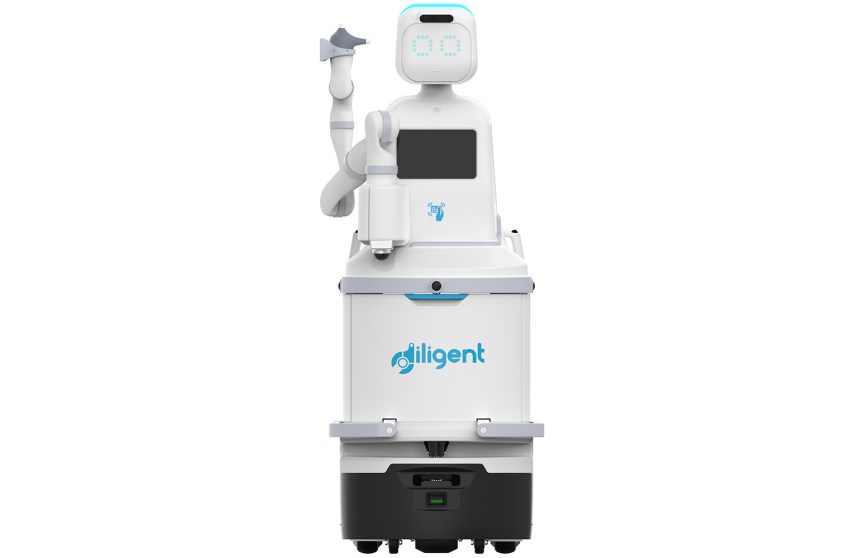
Diligent Robotics has begun shipping Moxi 2.0, the latest version of its autonomous hospital assistant, to health systems across the U.S. — including Endeavor Health Edward Hospital and Children’s Hospital Los Angeles. This isn’t a fresh idea dreamed up in a lab. Moxi’s second act was forged by five years of real-world grind across more than 25 hospitals, where the earlier robots learned exactly what it takes to survive a nursing floor.
The headline upgrade lives under the hood. Moxi 2.0 runs on NVIDIA-powered A2000 compute, and Diligent claims it perceives and interprets its surroundings 10–15 times faster than the previous generation. In a corridor packed with gurneys, visitors and the occasional runaway wheelchair, that extra situational awareness is the difference between a robot that hesitates and one that simply gets on with the job.
Endurance got a serious rethink too. A single charge now keeps Moxi rolling for up to 9 hours, and charging is 30% faster than before. Stitch those cycles together and Diligent says the robot can clock up to 18 hours of daily operation — close to round-the-clock coverage, which is precisely what an understaffed hospital needs from a tireless colleague.
What does it actually do? Moxi still leans on its robotic arm and gripper to handle the endless fetch-and-carry tasks that eat into clinical staff time. It ferries medical supplies, lab samples, medications and patients’ personal belongings from point to point, navigating elevators and busy hallways on its own. Every one of those trips is a walk a nurse doesn’t have to make.
The bigger picture here is context. Diligent Robotics now operates as a Serve Robotics company, folding hospital logistics into a broader autonomous-delivery portfolio. The pitch is refreshingly unglamorous: not a humanoid promising to replace people, but a purpose-built platform designed to absorb the repetitive errands that pull skilled staff away from patients.
That focus is the throughline from the first Moxi to this one. Rather than chasing headline-grabbing capabilities, Diligent has spent half a decade watching robots work alongside clinicians and rebuilding around what actually holds up in daily service. Faster perception and longer battery life aren’t flashy — they’re the things that break first when a robot has to run all day, every day.
Pricing hasn’t been disclosed, which is standard for enterprise robotics deployed under service agreements rather than sold off a shelf. For the hospitals rolling it out, the value proposition is measured in staff hours reclaimed, not sticker price.
With deployments already underway at Endeavor Health Edward Hospital and Children’s Hospital Los Angeles, Moxi 2.0 is less a bet on the future and more a refinement of a system that’s already logged years on the floor. In a field crowded with concept videos, that track record is the most impressive spec of all.