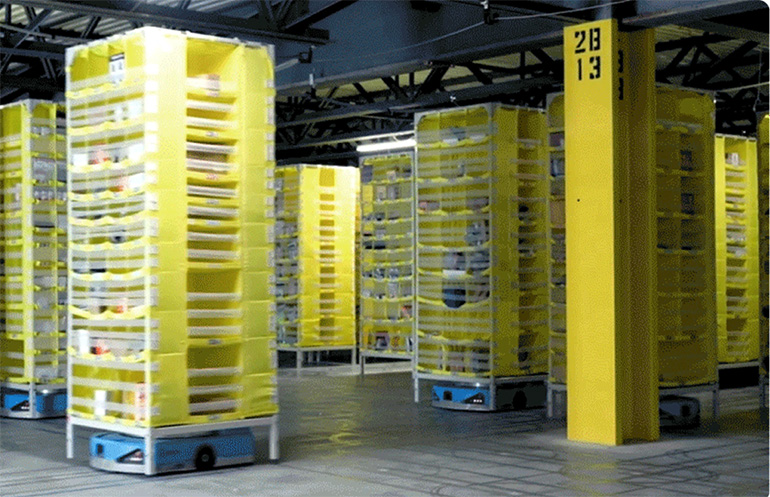
When dozens or hundreds of robots need to cooperate, the flashy part is the choreography — the way a swarm splits, merges and reforms like a flock of starlings. The unglamorous part, the one that actually decides whether the swarm works, is power. How energy is generated, stored and managed across a fleet quietly dictates range, resilience and cost. And right now the field is split between two philosophies.
Centralized power management puts one brain in charge of energy decisions. A single controller monitors battery states, schedules charging and doles out tasks based on who has juice to spare. The upside is efficiency and coordination: with a global view of the swarm, the system can optimize routes, stagger recharges and squeeze more useful work out of every watt. The catch is fragility. Knock out the central node — or the communication link feeding it — and the whole swarm can stall. It’s a classic single point of failure, and swarms are supposed to be the opposite of that.
Decentralized power management flips the model. Each robot manages its own energy budget, deciding independently when to work, when to conserve and when to peel off and recharge. There’s no master node to lose, so the swarm degrades gracefully: if one unit dies, the rest carry on. That robustness is precisely why swarm robotics exists in the first place. The trade-off is that purely local decision-making can be inefficient. Without a bird’s-eye view, robots may recharge at awkward moments, cluster around a charging station, or fail to balance workloads across the group.
So neither extreme wins outright. Centralized systems are efficient but brittle; decentralized systems are tough but wasteful. That tension is pushing researchers toward a hybrid approach that tries to bank the strengths of both.
In a hybrid setup, robots retain local autonomy over their own power — the survival instinct that keeps the swarm alive when things go wrong — while a coordinating layer nudges the group toward globally sensible behavior when communication is available. Think of it as autonomy with optional oversight: the swarm can still function if the coordinator vanishes, but when the link is healthy, it borrows the efficiency of a centralized planner. Recharge scheduling, task allocation and load balancing all benefit from that occasional top-down guidance without inheriting the fatal dependency on it.
The practical stakes here are real. Swarms are increasingly floated for warehouse logistics, agriculture, search-and-rescue and environmental monitoring — jobs where robots operate for long stretches far from a technician. In those scenarios, an energy strategy that keeps most of the fleet running after a failure is worth more than one that runs marginally faster until it doesn’t.
The takeaway for anyone designing or buying into swarm systems is refreshingly simple: don’t treat power management as an afterthought bolted on beneath the navigation stack. Whether a swarm survives a dead node, a jammed radio or a drained battery often comes down to which of these architectures the engineers chose — and increasingly, the smart money is on a blend of the two.