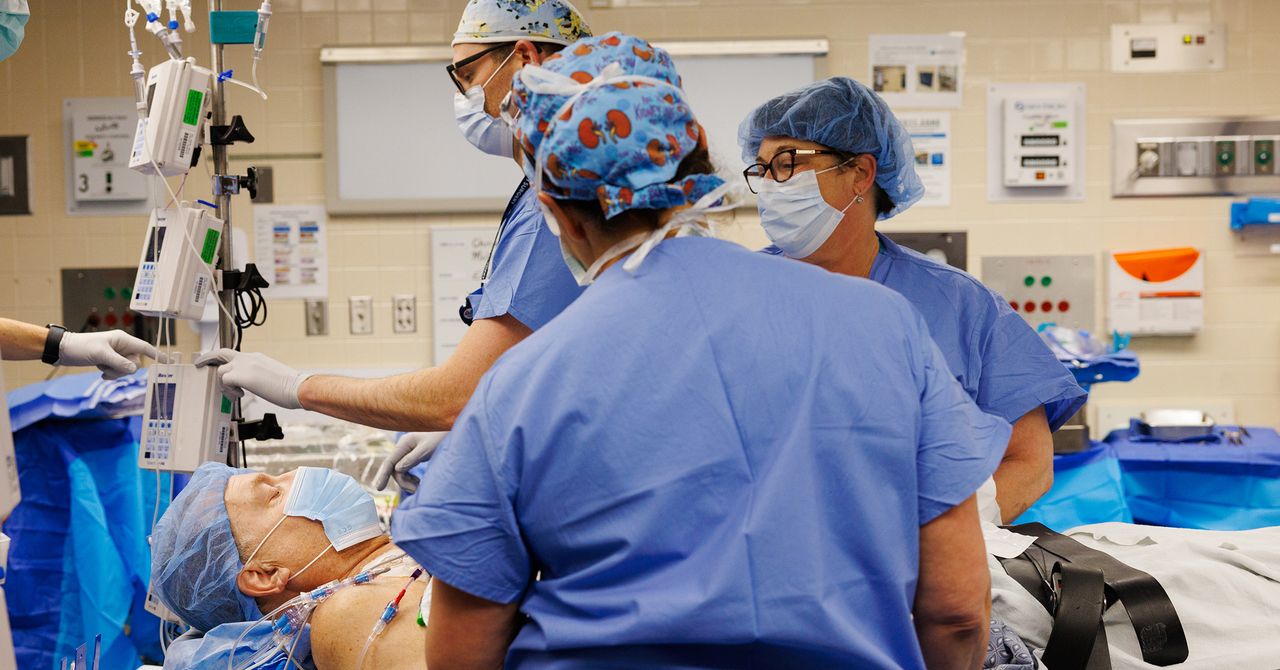
A woman in the United States has been living with a gene-edited pig kidney for 285 days — more than nine months without a single dialysis session, and the longest a pig organ has ever functioned inside a human being. She received the transplant at Massachusetts General Hospital on November 22, 2025, and eGenesis, the Cambridge, Massachusetts biotech behind the organ, confirmed the milestone on September 3, 2026.
The previous record — 271 days — belonged to Tim Andrews, another eGenesis recipient. The company’s kidney, designated EGEN-2784, is engineered with CRISPR across three classes of edits: glycan antigens that trigger immediate rejection are knocked out, seven human transgenes are inserted, and the pig’s endogenous retroviruses are inactivated to reduce the risk of infecting the recipient.
The stakes are hard to overstate. Kidneys are the most-needed organ in the US, with more than 95,000 people on the waiting list, yet fewer than 28,000 kidney transplants were performed in the country in 2025. A typical patient waits three to five years for a human donor organ, kept alive by dialysis — four-hour sessions three times a week that damage blood vessels over time. As eGenesis CEO Mike Curtis put it, patients’ health declines on dialysis, and their odds of getting a human transplant aren’t rising fast enough to meet that decline.
The record-holder is the fifth person to receive an EGEN-2784 kidney under the FDA’s expanded access pathway, which the company has been using since March 2024 for patients with no good alternatives. The scorecard so far:
- Three of the five patients achieved sustained kidney function for eight months or longer without dialysis.
- Two have since successfully received human donor kidneys — including Andrews, who got a pig kidney in January 2025, had it removed in October 2025 after its function declined, and received a human transplant in January 2026, 82 days after the xenograft was taken out.
A paper published in The Lancet on September 3, 2026 details what went wrong in Andrews’ case: the pig kidney ultimately failed due to thrombotic microangiopathy — tiny blood clots forming inside the transplanted organ. The surgical team is using that finding to adjust the immunosuppressant regimen and dosing schedule for future pig kidney recipients.
The next step is a proper clinical trial. The FDA has cleared eGenesis to run the RESTORE study in up to 33 patients aged 50 to 70 with kidney failure who are on the waiting list for a human kidney; it is expected to begin in the first quarter of 2027. Until then, the company plans further transplants under expanded access, with one clear target in sight: a pig kidney that keeps working for a full year.