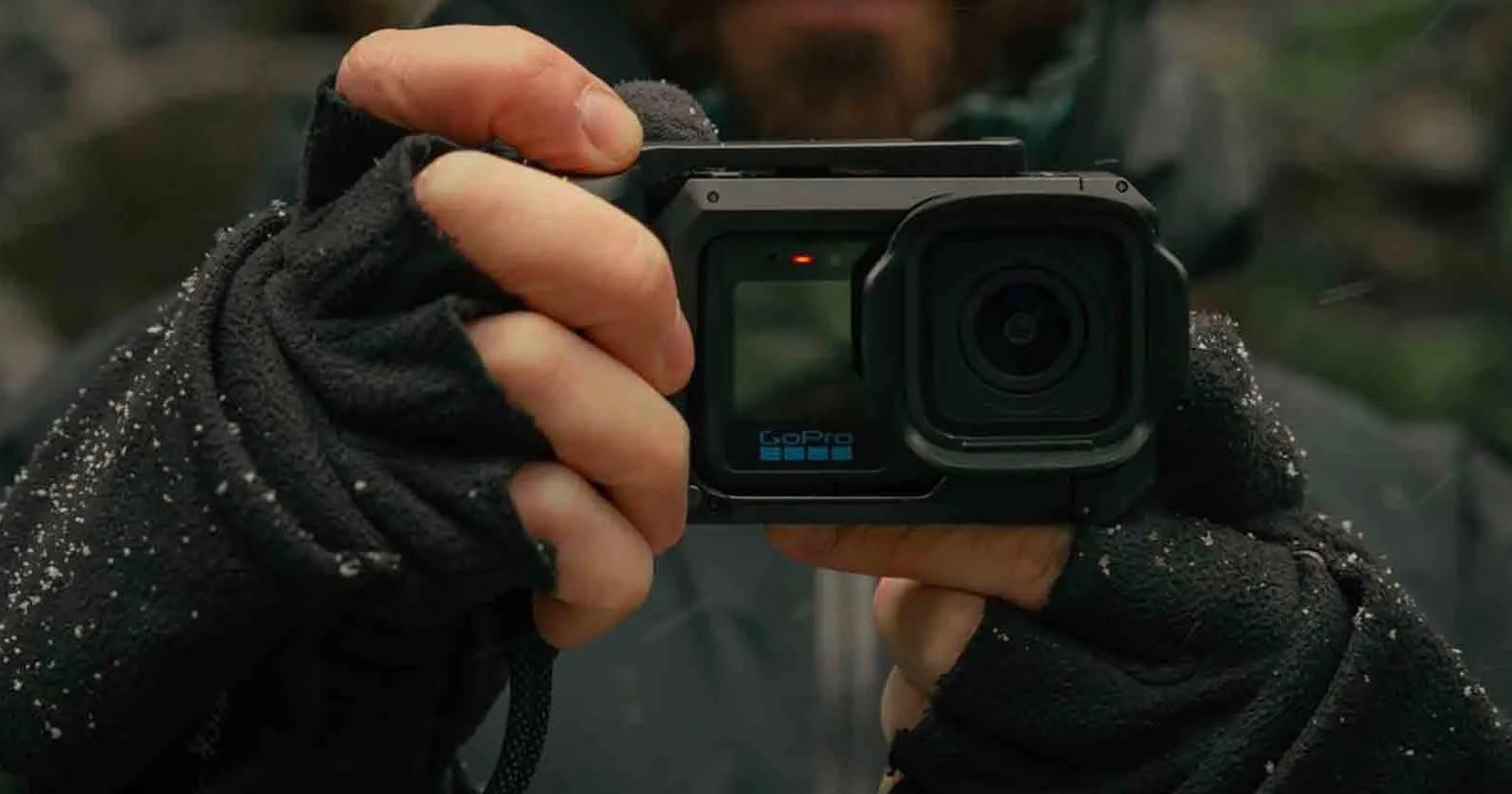
Getting bought by an optics firm that talks mostly about AI data centers, defense and national security is not the kind of news that reassures people who just want something small and tough to bolt onto a helmet. So GoPro founder and CEO Nicholas Woodman wrote a letter to customers, published on GoPro’s own news channel on September 4, 2026, with one message: the cameras are staying.
“Making amazing cameras for all of you is our core DNA and reason for being and that will never change!” Woodman wrote. He framed the deal as a balance-sheet fix rather than a change of purpose — “Our goal is to become a more diversified company which can make us stronger financially” — and argued the point with history: “We’ve accumulated more than 2500 patents over the last 24 years which tells you we’ve been busy innovating.” The promise for what comes next is more innovative cameras, smarter accessories, and more powerful software and services for capturing, editing and sharing. Or, more bluntly: “We’re going to keep doing what we do best – making the world’s highest-performance cameras.”
The reason any of this needed saying is the merger agreement announced on September 1, 2026. Starman Optical, a privately held optical-photonics company that supplies optical transceivers for AI data centers — products that move data using light — is merging with GoPro. The headline terms:
- GoPro shareholders receive US$285 million in aggregate cash, or US$1.14 per share, subject to adjustment based on GoPro’s net working capital at closing
- Those shareholders keep approximately 10% of the outstanding shares of the combined company
- GoPro’s outstanding debt of approximately US$92 million is repaid in full at closing
- GoPro remains a publicly listed company on Nasdaq under the ticker GPRO
- The transaction is expected to close by year-end 2026, subject to regulatory approvals and approval by GoPro’s stockholders
The framing aimed at investors reads rather differently from the one aimed at customers. In the merger announcement, Woodman said the companies “expect this merger to enable GoPro to grow across consumer, commercial and defense markets as a leading American imaging and optical solutions company, addressing important areas of national security related to cameras, optics and AI infrastructure.” Starman Holding CEO Charles Tebele put it more plainly still: “Advanced optics and imaging are essential to AI, national security, and the broader economy.” Consumer action cameras are, at best, one line in that sentence.
The financial backdrop explains the urgency. Woodman had already loaned his own company US$20 million through stock purchases before the deal came together, and the merger wipes out the debt load entirely.
What the letter conspicuously does not contain is a roadmap. There are no product timelines, no launch commitments, and no indication of how R&D money will be split between imaging for consumers and photonics for data centers. Woodman’s assurance is sincere in tone and entirely unfalsifiable in substance — the kind of promise that only the next camera, or its absence, can settle.