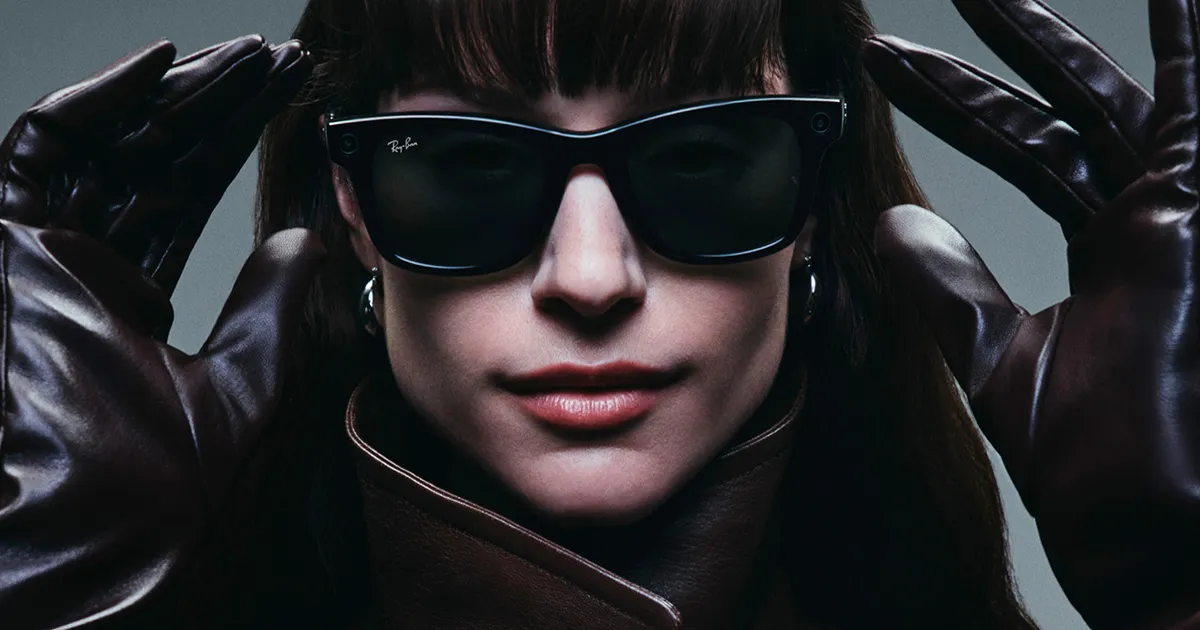
Summer 2024, a bar in midtown Manhattan, a first date. Courtney McAnuff’s date showed up in a low baseball cap and black-framed glasses. Partway through the evening he mentioned they were Meta Ray-Bans, let her try them on and showed her a couple of old clips. She figured that was the end of it. The next day she was tagged in his Instagram story. It showed footage of the two of them at the bar and on the subway, shot from his point of view. “I felt super violated,” McAnuff, a 28-year-old project manager, told WIRED in a feature published September 15, 2026.
Her story is part of a wider pattern WIRED traced across Bluesky, TikTok and Reddit. For many singles, especially women, a date wearing Meta’s AI glasses is now an instant red flag.
Why glasses are different from a phone
When someone lifts a smartphone to film you, you can see it and object. Glasses take that chance away. Meta’s frames do have a front-facing LED that switches on while recording, but it’s the only warning. And as WIRED notes, it can be disabled by hacking the hardware. Scale makes it worse: Meta sold more than 7 million pairs of the Ray-Bans in 2025. The glasses have picked up the nickname “creep glasses” thanks to pranksters and pickup artists filming strangers for views.
The anecdotes add up:
- In August, a Bluesky user wrote that her date “leaned over to show me pictures he took of me I had no idea he was taking.”
- A Reddit user said they ghosted a man after realizing, only toward the end of the night, that he’d worn the glasses on their date.
- In July, police in Seoul, South Korea, investigated a man for allegedly filming four women he had dated and uploading clips to social media, The Korea Herald reported.
Monmouth University psychology professor Gary Lewandowski suggests some men treat recordings as “game tape” for reviewing their own behavior. But he worries others are gathering evidence instead of building a connection. Yue Xu, cohost of the Dateable podcast, calls the camera “a third party” at the table.
Meta’s response and the legal pressure
Meta says the camera won’t turn on if the recording light is tampered with, including when something is placed over it. On September 1, 2026, Semafor reported that Meta had disabled photo and video capture on thousands of glasses with tampered LEDs, leaving them working only as Bluetooth headphones. In August, the company also ran a social media campaign to help people spot when someone is recording.
The legal pressure keeps building. Meta and EssilorLuxottica face a class action alleging they captured and stored users’ private data without consent. Meta faces a second proposed class action over biometric data, linked to NameTag, an unreleased face-recognition feature that WIRED uncovered. Meta removed the NameTag code from its app in June 2026. A Meta spokesperson called the NameTag suit “without merit” and said “we are not building a universal face database.”
Regulators are moving too. California’s SB 1130 passed both chambers and was presented to the Governor on September 9, 2026. It bans disabling the recording indicators on wearable recording devices. From January 1, 2028, it would also bar the sale of devices without a prominent indicator. In Australia, the eSafety Commissioner wants smart glasses makers to automatically blur the faces of people who haven’t consented to being filmed.
McAnuff’s own verdict is simpler: “I don’t think that every moment needs to be captured.”
Earlier on GismoLand: Meta Glasses. Cover the recording light and Meta shuts your camera down.