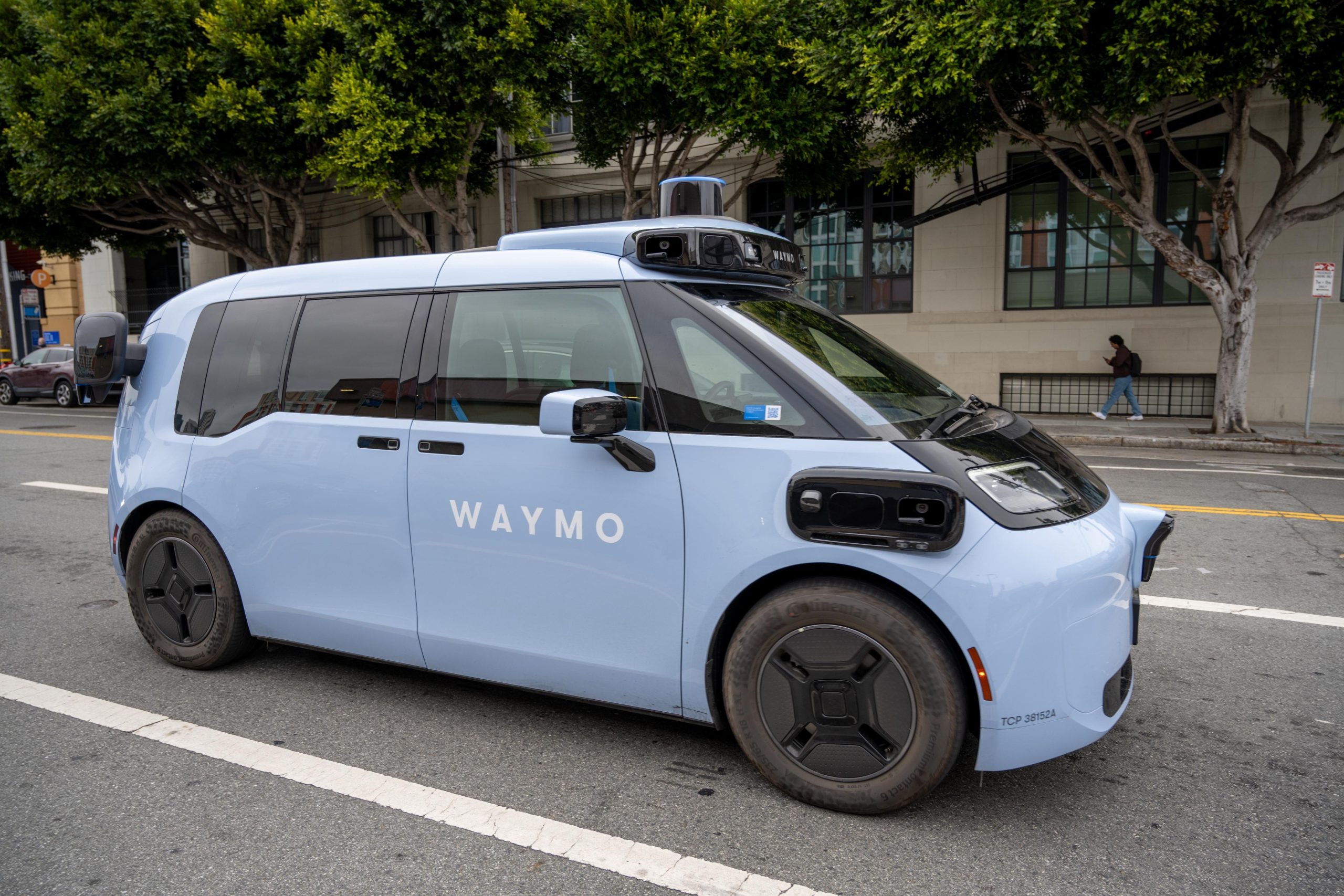
Waymo has named its next international destination, and it’s one of the most tightly regulated transport markets on the planet. The Alphabet-owned company said on September 17, 2026 that it plans to launch a fully autonomous, all-electric ride-hailing service in Singapore in 2028. The city-state will be Waymo’s first market in Southeast Asia.
This isn’t a case of shipping cars over and switching them on. Waymo has laid out a staged plan built with Singapore’s Ministry of Transport (MOT) and Land Transport Authority (LTA), and each phase has to be finished before passengers can ride.
- First step: an initial fleet of all-electric Jaguar I-PACE vehicles is due to arrive in Singapore “in the coming months”.
- 2027: a readiness phase. Trained autonomous specialists will drive the cars manually so the Waymo Driver can learn local road layouts and monsoon weather. The Verge reports that this phase also covers mapping and autonomous testing with human safety drivers behind the wheel.
- 2028: Waymo says it is “working toward offering fully autonomous ride-hailing to the public”, with rides booked through the Waymo app.
The last step depends on the regulator. Waymo needs approval from the LTA before it can take paying passengers, and Singapore requires every autonomous vehicle to pass a safety assessment first. Reports from Bloomberg and FMT say Waymo aims to get LTA approval for its self-driving system in 2027, once it has collected enough data from manual driving around the island.
Singapore’s political leadership is on board. Tekedra Mawakana, Waymo’s co-CEO, said that “Singapore has built one of the safest, most efficient transportation ecosystems in the world.” Transport Minister Jeffrey Siow said that Waymo “brings world-class technology and operational expertise to Singapore.” Mothership reports that the LTA has also committed to driver retraining and skills programs to run alongside the autonomous rollout, which acknowledges that robotaxis affect people who drive for a living.
Waymo is pitching the service as something that works alongside public transport rather than competing with it. The idea is to fill first-and-last-mile gaps between residential and commercial hubs. The company says more than one-third of its San Francisco riders already use it that way, to get to and from transit connections. Waymo’s own numbers are 20+ million fully autonomous rides, 300+ million fully autonomous kilometers driven, and a 94% reduction in injury-causing crashes compared with human drivers. It also says its fleet prevents an estimated 480 metric tonnes of CO2 every week, which it links to the Singapore Green Plan 2030.
Waymo won’t have Singapore to itself. China’s WeRide and Pony AI already run limited services there, but they operate through the local ride-hailing platforms Grab and ComfortDelGro. Waymo is taking a different route and going straight to riders with its own consumer app, the same approach it uses in the US.
Singapore joins a growing list of overseas projects. According to FMT, Waymo offers paid rides in 15 U.S. cities and is expanding to London, Tokyo and Germany. Separately, it plans to launch a fully autonomous commercial taxi service in Tokyo in 2027. If the LTA approves, a Jaguar with nobody in the driver’s seat could be picking up passengers in Singapore in 2028.