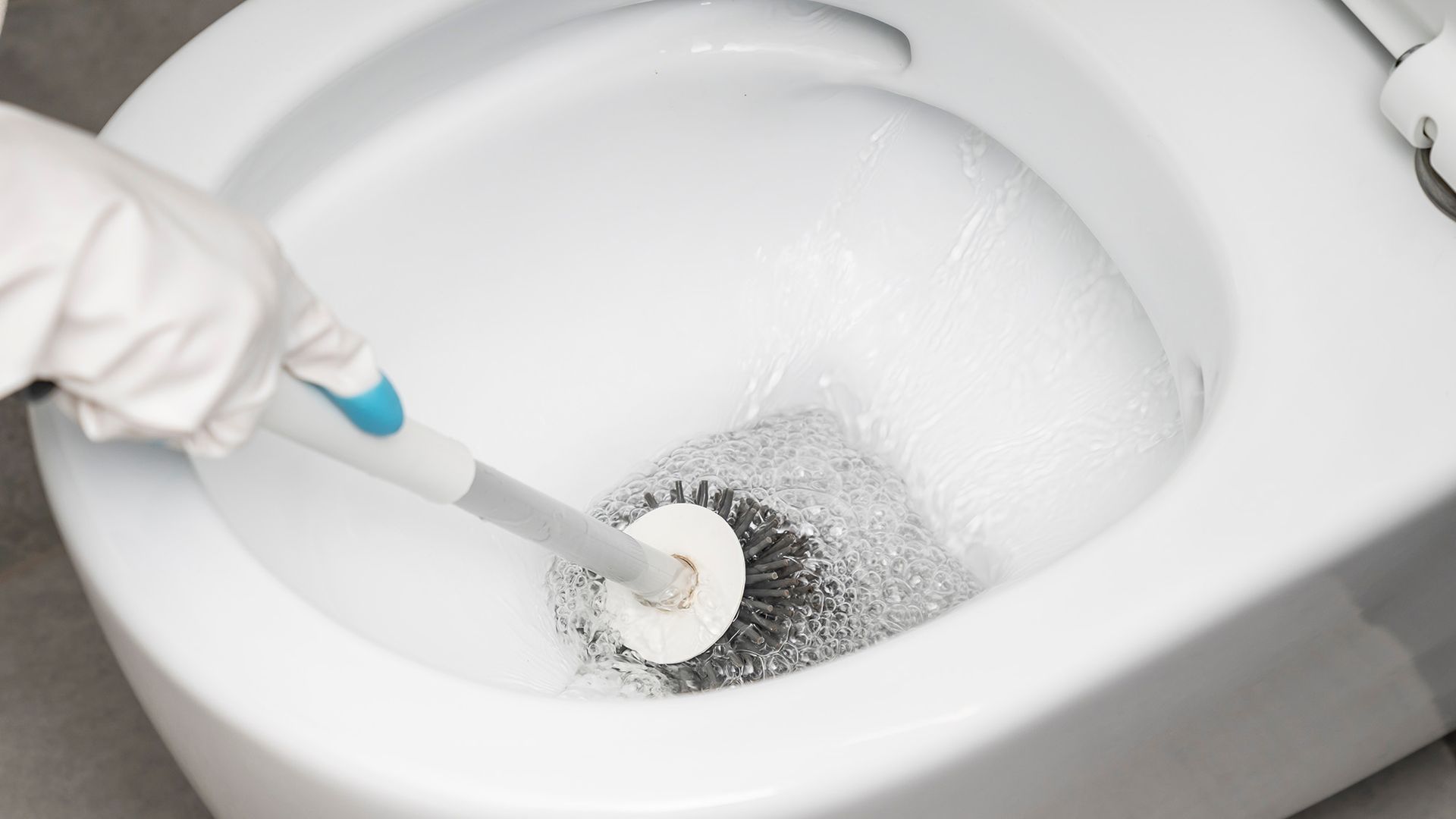
Of all the household chores, cleaning the toilet is the one almost nobody volunteers for. A how-to guide by Cynthia Lawrence, published on Tom’s Guide on September 21, 2026, argues that the fix is not another specialist cleaner. It is a bottle of plain white vinegar, which most people already keep in the kitchen.
The idea is simple. Instead of scrubbing hard against limescale and grime, you let a mild acid loosen them first, so the brush only has to finish the job.
Why vinegar works
White vinegar cleans because it is acidic. Standard white vinegar contains 5–6% acetic acid, which is enough to dissolve mineral deposits and break down the film that builds up on ceramic and glass. The same property makes it good at removing limescale and stubborn stains, deodorizing smelly drains, and leaving mirrors and glass without streaks. The guide also points out that it is natural and non-toxic.
For heavier dirt, vinegar pairs well with baking soda, another staple in many cleaning cupboards.
The routine, step by step
- Bowl: pour about two cups of white vinegar into the toilet bowl and leave it for up to 30 minutes to loosen the grime.
- Scrub: go over the bowl and under the rim with a toilet brush, then flush to rinse.
- Seat, lid and tank: mix equal parts vinegar and water in a spray bottle, spray these surfaces, leave for 15 minutes, then wipe with a damp cloth.
- Stubborn stains: add half a cup of baking soda after the vinegar to help lift the stains and grime.
According to the guide, the result is a clean bowl, fewer lingering smells and much less time spent scrubbing.
Where it falls short
Vinegar has limits. The guide stresses that it cleans surfaces but does not disinfect, and it cannot reliably kill germs or viruses. When hygiene matters more than shine, it recommends bleach, which kills most bacteria, or hydrogen peroxide.
The same acidity that removes limescale can also damage some materials if used carelessly. The guide lists surfaces to keep vinegar away from:
- natural stone and marble worktops;
- hardwood flooring;
- household rubber seals, such as those inside a washing machine.
What it costs
The ingredient is very cheap. As an example, Tom’s Guide pointed to Amazon Saver Distilled White Vinegar in a 16 fl oz bottle with 5% acetic acid, listed at $1 at Amazon when the article was published. The same bottle can also be used on shower screens and windows.
The trade-off is clear. Vinegar makes regular toilet cleaning quicker and removes stains and limescale without harsh chemicals, but it does not replace a disinfectant.