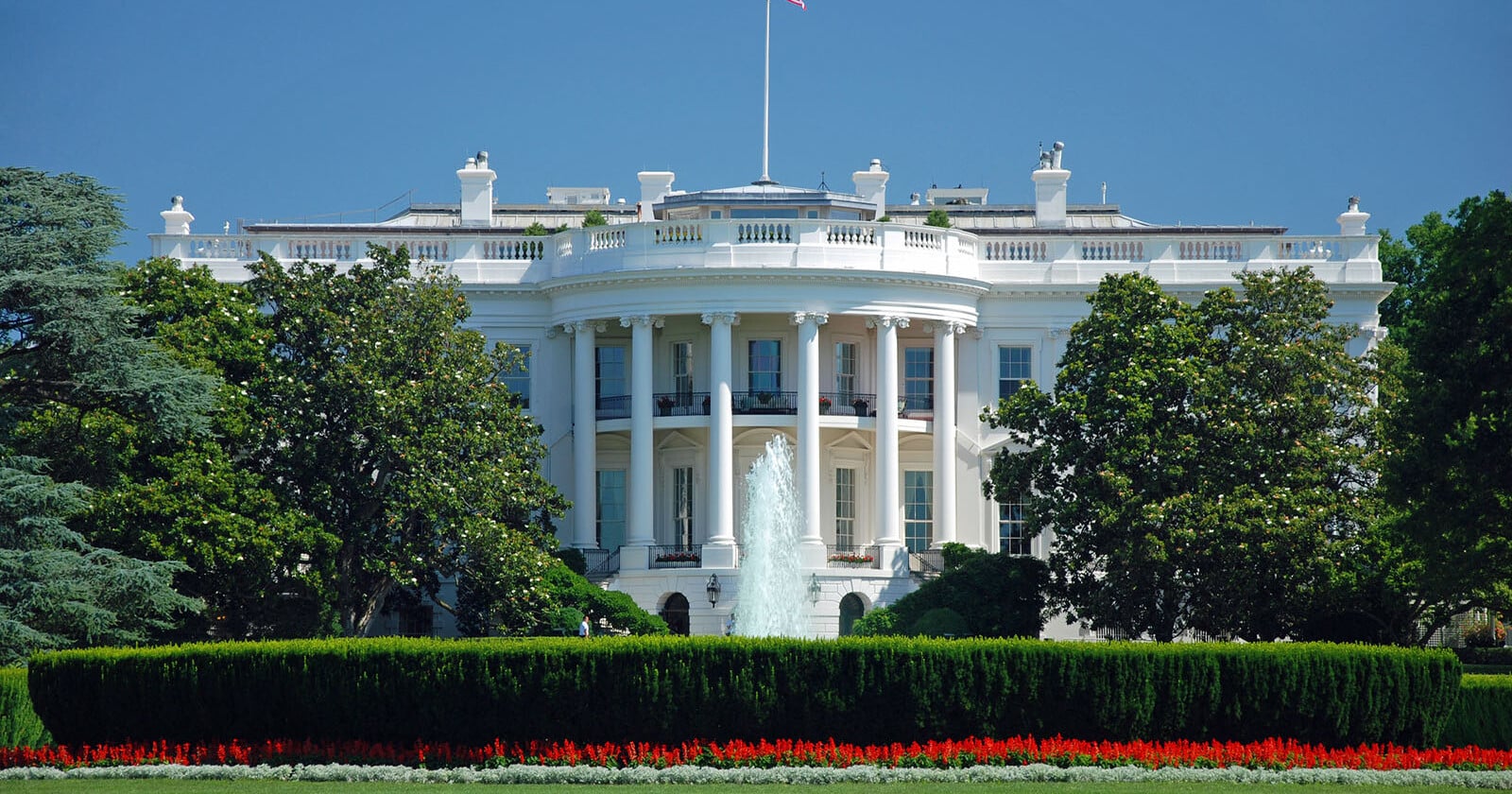
For one day in September 2026, the most photographed man in the world went almost unseen in the news. On Monday, September 21, 2026, photographers from The New York Times, the Associated Press (AP), Agence France-Presse (AFP), Reuters and Getty Images were all on White House photo pool duty. They kept shooting, but their newsrooms held back the pictures. The coordinated still-image blackout was a protest against the White House barring CNN, Politico and MS NOW.
How it started. President Trump announced the ban on the three outlets on Friday, September 18, 2026, accusing them of reporting “FICTION and LIES”. Reporters from all three were turned away the next day, Saturday, September 19. According to the outlets, their camera operators were also refused entry over the weekend, and U.S. Secret Service agents took their press badges at a security gate. The administration also stopped CNN from carrying out its scheduled turn in the television pool.
Networks first, then stills. On Monday, all the major US television networks, including ABC, CBS, Fox News and NBC, pulled out of White House pool duties and suspended shared coverage of the president. Photographers joined the next day. CNN’s Brian Stelter reported on the camera blackout on September 21, 2026, quoting The Washington Post’s description of it as a “collective effort with photographers in other newsrooms.”
The key participants explained their positions:
- AP: spokesperson Patrick Maks said the agency “joined a group of news outlets in not publishing photographs of today’s presidential events,” adding that “No news organization—or person — should be retaliated against by the government over the words they use.”
- The New York Times: the paper said it would not publish or distribute any images from that day’s White House still photography pool, “in conjunction with the other members of that pool.”
- The Washington Post: the paper said it would not publish photos of Trump’s events, including those at the U.N., until midnight Eastern Time each day.
The practical effect was striking. The president was left without a major network TV crew or pool photographers as he prepared to attend the United Nations General Assembly in New York on Tuesday, September 22, 2026. With no pool microphone at the helipad, his remarks during the departure were drowned out by Marine One.
Trump TV and the courts. The White House answered by promoting its own online video feed, which it calls “Trump TV” and describes as a place for “top past moments, announcements, and the latest and greatest from the administration all in one place.” In other words, it offers handout video in place of independent coverage. Meanwhile, CNN, MS NOW and Politico sued the Trump administration, arguing that the restrictions violate their First and Fifth Amendment rights. They asked for a temporary restraining order that would restore their White House access while the case proceeds.
For photographers, the episode is a reminder of how much leverage the pool system carries. A handful of shooters with shared access feed nearly every front page and wire service. When they hold their frames, the visual record of a presidency simply stops flowing.