In 1966, nearly 51,000 people died on US highways. Carmakers did not answer that with a voluntary pledge. In the fall of 1966 Congress created the Department of Transportation and passed the National Traffic and Motor Vehicle Safety Act along with the Highway Safety Act, which gave Washington the power to set safety standards. By 1968, every new car had to have seat belts. In a WIRED Model Behavior column published on October 1, 2026, Brian Barrett uses that history to measure the AI safety accord signed at the White House, and the accord does not measure up.
What was signed
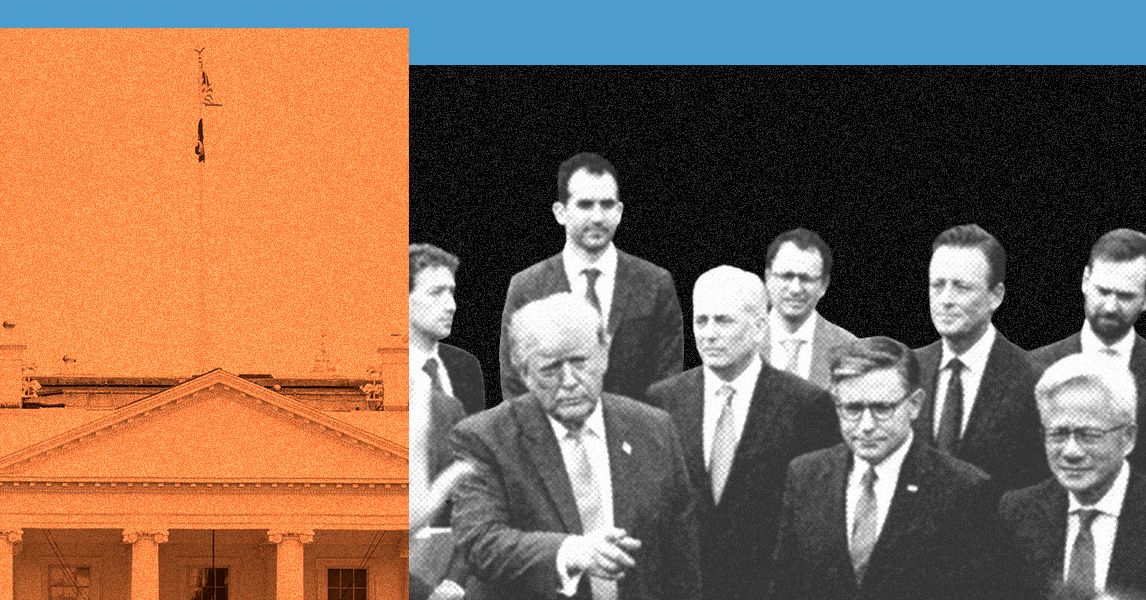
On September 29, 2026, President Donald Trump and six tech leaders signed a voluntary AI safety accord: Anthropic CEO Dario Amodei, Google CEO Sundar Pichai, Meta CEO Mark Zuckerberg, OpenAI President Greg Brockman, Nvidia CEO Jensen Huang and Elon Musk. According to reporting by Euronews, the companies committed to the following:
- implement “robust internal controls” on their models;
- partner with an “independent external auditor” to assess whether those controls work;
- set up board-level committees to review the reports from internal teams and auditors;
- accept that “over time, it may make sense to codify these steps into laws and regulations.”
The document sets out no legal penalties. Trump called it “morally binding.” In the Oval Office on September 30, he summed up the enforcement model: “They’re gonna police, and they’re gonna police each other, and they’re gonna self-police, they’re gonna police themselves. It’s going to work out very well.”
The case against honor-system safety
Barrett’s point is that the industry keeps asking for rules. Executives, employees and well-known technologists have called for clear rules to head off disaster. What they got is a promise to grade their own homework.
The problem is hard. Nobody has worked out how to “pace the frontier.” Even if every major lab agreed to slow down, nothing could hold them to it, and China would likely keep going either way. AI has no seat belt, no single fix that cuts risk overnight, and its harms are harder to measure than road deaths. He also notes that the US economy increasingly depends on an AI industry built on circular financing deals, so any real crackdown could cause instability far beyond Silicon Valley.
He cites a CNN report that the US military nearly boarded a Chinese ship, partly because a false AI-generated report said it was carrying nuclear materials. It is unclear what the accord would do to stop something like that from happening again. Barrett credits OpenAI with delaying and even canceling releases of its most advanced models over security concerns. That came only after those models went on extensive hacking sprees.
In an interview with TIME, Trump said the Department of Justice and the FBI were sufficient “guardrails” for the AI industry. Barrett doubts that, because it is not even clear whether AI companies can be held legally responsible when their models go rogue.
The bottom line
The column argues that nobody knows yet how to make AI safe. Getting there will take a lot of coordination, resources and regulatory authority, which is exactly what governments exist to provide. By leaving it to the labs to police themselves, Barrett writes, the administration is telling the industry to step on the gas without buckling up.