Let’s be clear about one thing from the start: there is no Fitbit Ring. As of today, Google has not announced a smart ring under the Fitbit banner, and nothing resembling a Pixel-branded ring exists in stores. What we have instead is a growing chorus of enthusiasts — and this editorial — arguing that Google is conspicuously absent from one of the most interesting corners of wearable tech.
And the absence is starting to look strange. Fitbit already owns one of the strongest reputations in health tracking, built on years of wrist-worn devices and a mature app ecosystem. Extending that expertise to a ring would be a natural move rather than a gamble, and yet Google keeps leaving the space to rivals.
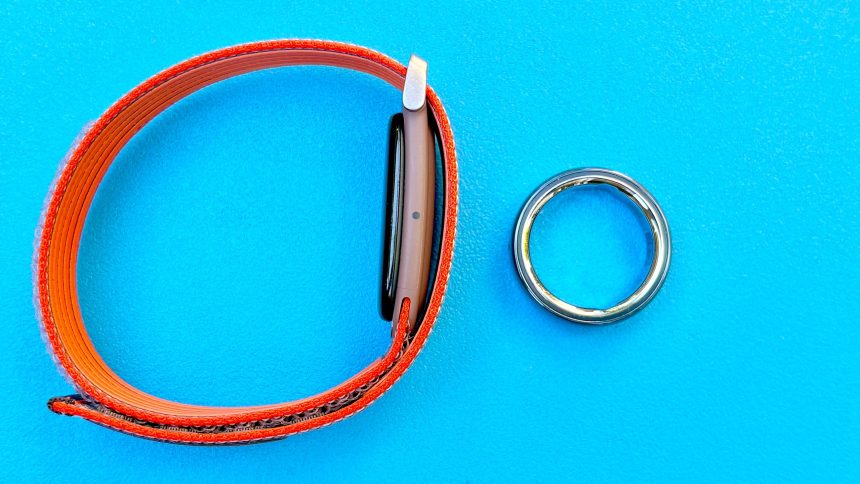
The competition, meanwhile, is not sitting still. The smart ring market has quietly matured into a genuine category, and the shortlist of players is no longer short:
- Oura Ring — the device that essentially defined the segment and set expectations for sleep and recovery tracking.
- Samsung Galaxy Ring — proof that a major phone maker can fold a ring into a wider hardware ecosystem.
- RingConn models and the Amazfit Helio Ring — evidence that the category has room for challengers at different price points.
Notice who’s missing from that list. Google, the company that spent real money acquiring Fitbit, has no entry at all — while Samsung, its closest Android rival, does.
The case for a Fitbit Ring rests on a few simple ideas. First, form factor: a ring collects health data around the clock without the bulk of a watch, and many people who abandon wrist wearables at night would happily keep a ring on. Second, brand fit: Fitbit’s identity is health first, notifications second, which is exactly the priority a ring demands. A device with no screen lives or dies on the quality of its metrics, and that is Fitbit’s home turf.
Third, and perhaps most important, is the ecosystem argument. Samsung can pitch the Galaxy Ring as one piece of a phone-plus-watch-plus-ring setup. Google, with Pixel phones, Pixel Watches and Fitbit’s software already in hand, could tell an equally compelling story — if only it would build the missing piece.
None of this is a spec sheet, because there is nothing to spec. There’s no battery figure, no price, no sensor rundown, because the product hasn’t been announced. Treat this as a wish list with a strong rationale rather than a leak.
Still, the logic is hard to ignore. The hardware trend is established, the rivals are shipping, and Google is holding one of the best-known health brands in the business. A Fitbit Ring wouldn’t be a wild experiment — it would be the obvious next step. The only question is whether Google agrees.