Construction sites are one of the last frontiers where automation has barely made a dent — endless dust, diesel and human operators sweating inside cabins. TerraFirma wants to change that, and it just landed a serious war chest to do it.
On July 14, 2026, the company revealed it had raised $115 million, anchored by a $100 million Series A led by Kleiner Perkins. That is a hefty bet on the idea that critical infrastructure can be built faster by machines that don’t need to sit inside the machine.
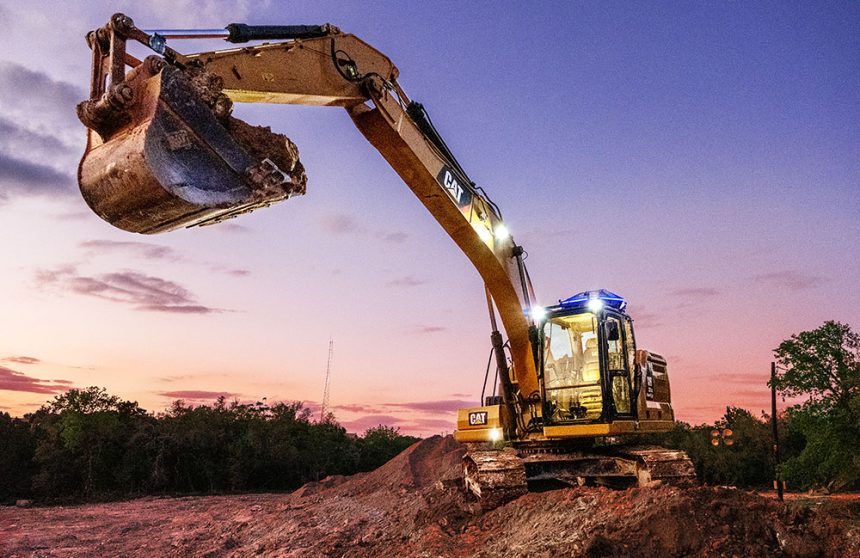
The pitch is refreshingly concrete. Rather than reinventing the excavator from scratch, TerraFirma retrofits existing heavy equipment and wraps it in a software layer. The full stack breaks down into three parts:
- AI-enabled pre-construction software to plan and sequence a job before anyone touches soil;
- a remote command-and-control center, so operators run the fleet from a distance instead of the driver’s seat;
- retrofitted, semi-autonomous heavy machinery — excavators, dozers, loaders, rollers, skid steers and more.
The company describes itself as tech-enabled and vertically integrated, meaning it doesn’t just sell gear to contractors — it aims to be the contractor, running its own equipment on its own projects. That is an unusual structure in a world where hardware startups usually try to license or sell their kit and stay out of the messy business of actually pouring foundations.
The headline capability is efficiency. TerraFirma claims its system can make each operator up to 300% more effective, essentially letting one skilled person supervise several machines rather than piloting a single one. In an industry starved for labor, that multiplier is arguably the whole point — semi-autonomous machines handle the repetitive digging, grading and rolling, while humans step in for the tricky decisions.
There is a certain aerospace logic behind all this, and it is not a coincidence. TerraFirma was founded in 2024 by two former SpaceX engineers, Noah Schochet and Noah McGuinness. The remote command center and the fixation on making every operator dramatically more productive both carry the fingerprints of a rocket company that learned to run complex hardware through software and tight teams.
It is worth being clear about what this is not: TerraFirma isn’t shipping a gadget you can buy. This is B2B infrastructure work, so there is no consumer price tag and no product you’ll find on a shelf. What it represents is a wager that the next wave of construction gains comes less from bigger machines and more from smarter orchestration of the ones already parked on site.
Whether retrofitting and remote piloting can scale to real-world infrastructure timelines is the open question. But with $115 million in the bank and ex-SpaceX founders steering the equipment, TerraFirma has bought itself a serious runway to find out.