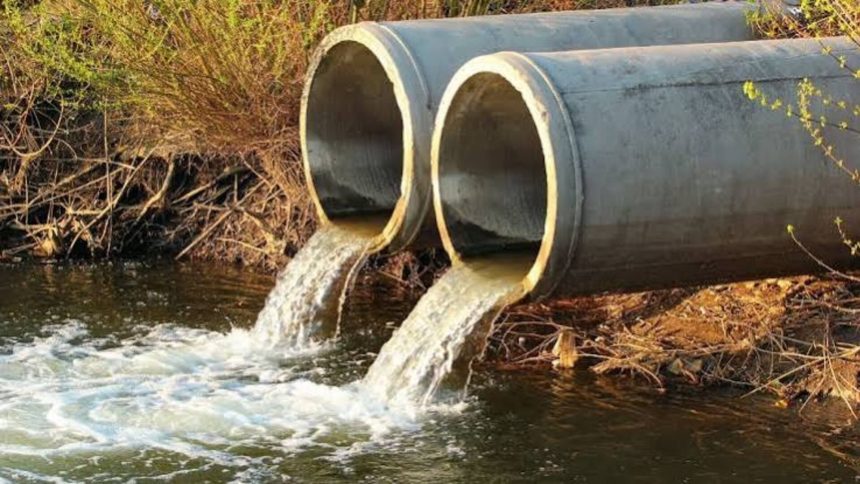
Sewage pumping stations are the unglamorous plumbing of civilisation — quietly shifting waste around beneath our feet until the lights go out. When the mains fails, the pumps stop, and raw effluent has an unfortunate habit of finding its way into rivers and streams. UK start-up Rheya Labs reckons it has a smarter fix.
The company is developing backup batteries built specifically for sewage pumping stations, designed to keep the pumps running when grid power drops. That alone would be useful, but the more interesting part is what sits alongside the cells: a layer of machine learning that watches the system and tries to anticipate failures before they escalate into a spill.
It’s a neat inversion of the usual approach. Rather than reacting to an outage once the sewage is already backing up, the intent is predictive — spotting the conditions that precede a failure and buying operators time to intervene. Emergency power and early warning, bundled into one unit.
Why does this matter? Pumping station spills are one of the more persistent sources of water pollution, and many incidents trace back to power interruptions at exactly the wrong moment. A backup battery that also flags trouble in advance addresses both halves of the problem: it keeps things moving during an outage, and it hints at where the next weak point might be.
The project has some external validation, too. Rheya Labs was named a finalist in the Water Discovery Challenge, the recognition landing in July 2026. That’s an industrial rather than consumer milestone — this is not a gadget destined for your garage — but it signals that the water sector is taking the concept seriously.
There’s an obvious appeal to the framing here. Infrastructure resilience is usually pitched as dull, expensive and reactive. Rheya Labs is proposing something that is proactive by design, using data the stations already generate to head off the messy, headline-grabbing failures before they happen.
What we don’t yet know is the shape of the commercial product:
- No capacity or power figures have been disclosed.
- No pricing has been announced.
- No timeline for wider deployment beyond the challenge finalist stage.
For now, then, this is a technology to watch rather than one to buy. But the underlying idea — pairing stored energy with predictive intelligence at the exact point where a power cut turns into an environmental incident — is genuinely clever. If it works at scale, the payoff is cleaner rivers and fewer of those grim outfall stories that surface every summer.
It’s a reminder that some of the most consequential engineering happens in the least appealing places. Turning a sewage station into something smart enough to warn you before it overflows is, in its own way, a small triumph.