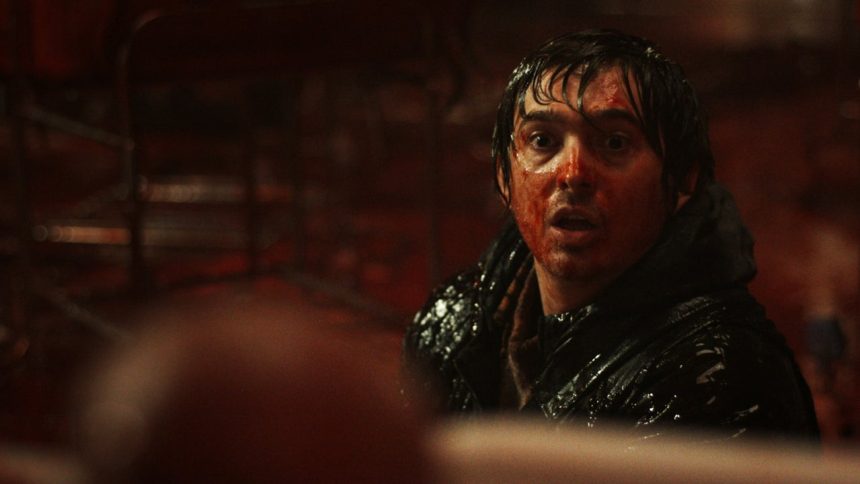
Purists of survival horror have a bone to pick with Zach Cregger, and the director knows it. Since the first glimpses of his upcoming Resident Evil film adaptation surfaced, fans have been dissecting two details that don’t quite line up with the source material: the snow blanketing Raccoon City, and the appearance of iPhones in a world that, in the games, never had them.
Cregger has heard the noise. Rather than pretend the discrepancies don’t exist, he’s owned them outright, admitting he “took liberties” with the established lore. His justification is refreshingly simple: he made the changes because he believes they make the movie better.
It’s a bold stance for a franchise as fiercely guarded as Capcom’s. Resident Evil 2, the touchstone for so many fans, is remembered for its rain-slicked streets, its claustrophobic police station, and a very specific late-1990s aesthetic. No snow. No smartphones. So when a director starts reshuffling those visual and technological cornerstones, the community tends to notice — and it did.
What makes Cregger’s approach interesting is the honesty behind it. There’s a long tradition of filmmakers quietly retconning beloved properties and hoping nobody notices, then feigning surprise when the internet lights up. Cregger has skipped that dance entirely. He’s not claiming the snow is canon or that iPhones secretly existed in the Raccoon City timeline. He’s saying, plainly, that these were deliberate creative decisions made in service of the story he wants to tell on screen.
That distinction matters. A film adaptation is not a shot-for-shot recreation, and the medium comes with its own demands — atmosphere, pacing, visual mood. Snow can transform a familiar setting into something eerie and isolating, a fresh canvas for horror that a straight copy of the games might not deliver. Modern phones, meanwhile, are simply the reality audiences understand; stripping them out can feel more distracting than immersive to viewers who aren’t steeped in the lore.
Still, the reaction underscores the tightrope every video-game adaptation walks. Lean too far toward reinvention and you alienate the faithful; hew too closely to the source and you risk a lifeless retread that adds nothing new. Cregger appears to be betting on the former, trusting that a stronger film will win over the skeptics once the credits roll.
Whether that gamble pays off remains to be seen. For now, the director’s message to the lore-keepers is clear: the snow stays, the iPhones stay, and he’ll stand behind both. It’s a stance that will either look brilliant or reckless depending on how the finished movie lands — and that verdict belongs to the audience.