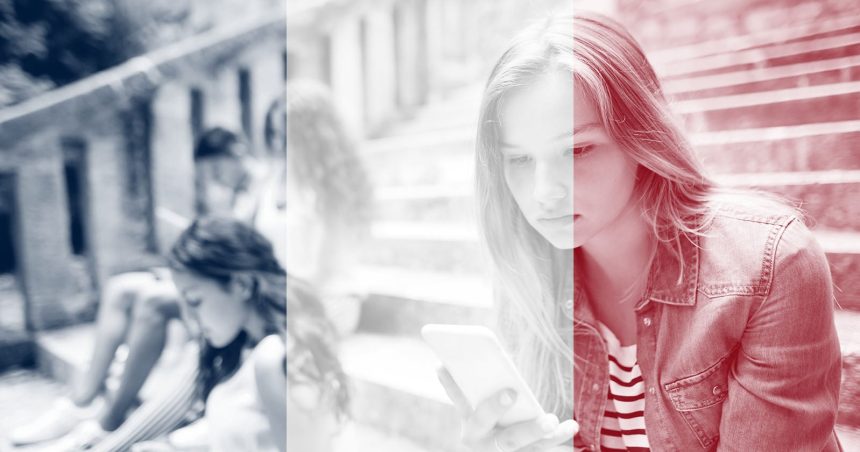
France just drew a legal line in the sand: children under 15 are now barred from using social media, making it the first country in the European Union to impose such an age limit. Both chambers of the French Parliament backed the measure, with lawmakers pointing to a growing pile of evidence — and heartbreak — around the impact of these platforms on young minds.
The vote didn’t happen in a vacuum. Opposition to underage social media use has been building in France for years, fueled in part by teen suicides that grieving parents link to harmful online content. Several French families have taken TikTok to court over these deaths.
One of those parents, Gaëlle Berbonde, has campaigned for the bill from the start. Her daughter, now 16, got her first smartphone in seventh grade. Berbonde leaned on parental control apps but never grasped the full scope of what her child was seeing on TikTok. The teenager withdrew, developed depression and anorexia, and spent a year and a half in the hospital before recovering.
“The only thing we can do is protect our children, just as we protect our children from drinking alcohol,” Berbonde told The Associated Press.
President Emmanuel Macron has made the ban a centerpiece of his agenda. “France is leading the way in Europe in protecting our children and teenagers. We will keep on going,” he said. Across the Channel, the United Kingdom — no longer an EU member — is pursuing its own version of the idea.
Not everyone in France is applauding. The bill is under review for potential constitutional problems, and the left-wing France Unbowed party argues it’s “impossible to enforce.” That’s the technical crux of the whole thing: to check whether someone is old enough to log in, you first have to identify them — which drives a stake through the heart of online anonymity.
And enforcement is where these laws consistently stumble. In the UK, users have exploited video game photo modes to slip past age checks under the Online Safety Act. Facial estimation, ID uploads, and other verification schemes remain leaky and controversial worldwide.
France isn’t the global pioneer here, either. Australia rolled out a national ban in 2024 and has struggled mightily to make it stick, accusing social media companies of dragging their feet on compliance. In the United States, several states are advancing partial or full bans for minors — Massachusetts being the most recent — while Senator Brian Schatz’s Kids Off Social Media Act (KOSMA) has picked up some bipartisan support without a clear path to becoming federal law.
The intent is clear and the political momentum is real. Whether the technology and the courts can actually deliver on it is a very different question.