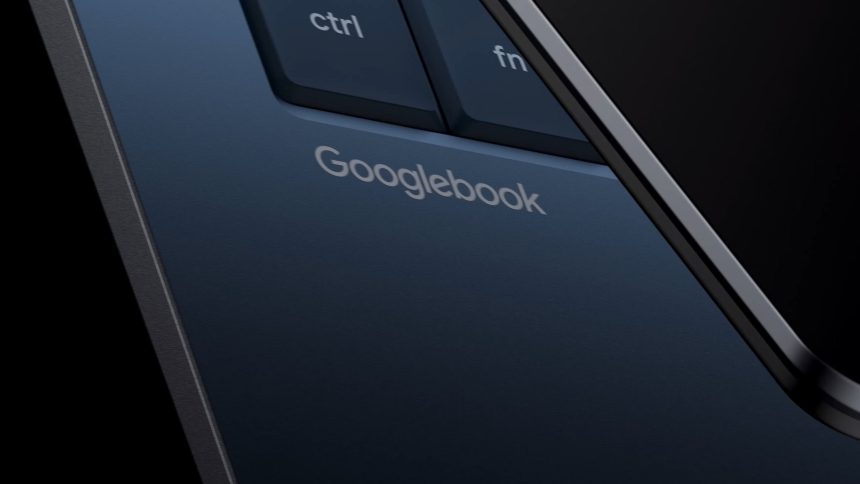
Google’s freshly minted Googlebook platform is picking up hardware, and Lenovo is one of the first names on the list. It’s a notable shift in framing: where Chromebooks defined Google’s affordable, cloud-first laptop era, the Googlebook is positioned as something with rather higher ambitions — and, interestingly, it isn’t strictly a laptop at all.
According to early looks at the lineup, tablets can be Googlebooks too. That’s a meaningful signal about how flexible the platform is meant to be. Rather than locking the branding to a single clamshell form factor, Google appears to be treating Googlebook as an umbrella that spans traditional notebooks and slate-style tablets alike. If you were expecting a straight Chromebook rebrand, this is a hint that the plan is broader.
Here’s what’s confirmed so far:
- Platform: Google unveiled the Googlebook on May 12, 2026.
- Partners: The first systems are coming from Acer, ASUS, Dell, HP and Lenovo — a roster that reads like Google’s greatest-hits list of OEM allies.
- Availability: The first machines are due in fall 2026.
- Positioning: These are premium devices, with pricing starting at US$999 and up.
That US$999-and-up entry point is worth dwelling on. The Chromebook made its name by undercutting Windows laptops on price, aiming squarely at schools, budget shoppers and anyone who lived inside a browser. A Googlebook that opens at premium territory is a deliberate reversal of that story. Google seems to want a seat at the high end of the table, not just the value bench.
Lenovo’s inclusion is no surprise. The company has been one of the most prolific builders across Google’s platforms, and it tends to move quickly when a new category opens up. The catch, for now, is detail. Lenovo’s specific model names, screen sizes, chips and exact pricing haven’t been published yet. We don’t know whether Lenovo’s debut Googlebook leans laptop or tablet, nor where in the US$999-plus band it will land.
What we can say is that the shape of the platform is coming into focus faster than the individual products. Multiple major OEMs, a fall launch window and a premium price floor together paint a picture of a serious, deliberately upmarket push rather than a quiet experiment.
The bigger question is what a Googlebook actually does differently — the software story, the AI hooks, the way tablets and laptops share the same badge. Those are the pieces that will decide whether this becomes a genuine third pillar alongside Windows and macOS, or a rebrand with a bigger sticker price. For now, Lenovo is on the board, and the countdown to fall 2026 has started.