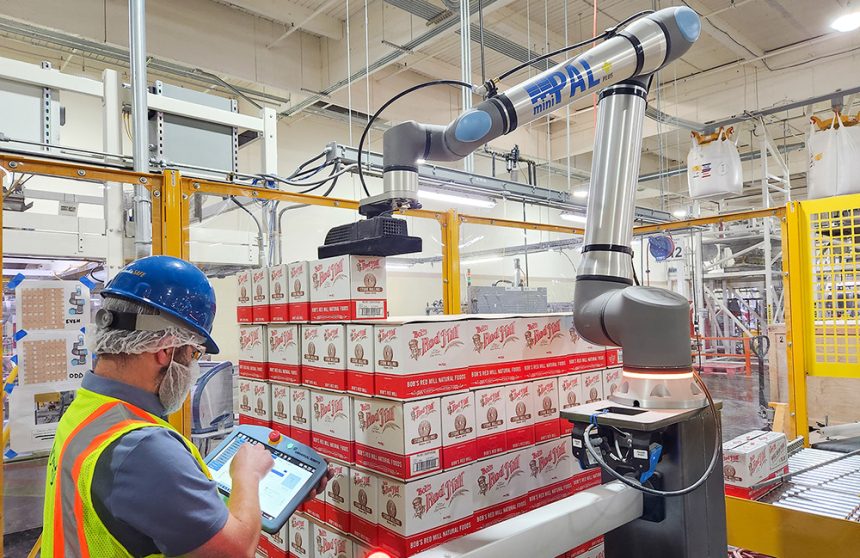
Numbers don’t lie, and Teradyne’s robotics arm just delivered a set worth pausing on. In the second quarter of 2026, the division’s revenue climbed 33% year over year to US$100 million, a result the company reported on July 28, 2026.
Growth on that scale rarely comes from a single lever, and Teradyne pointed to two in particular: a healthy appetite for automation in the United States and the pull of artificial intelligence. Together, those forces did the heavy lifting behind the quarter.
It’s a telling combination. Industrial robotics has spent years chasing the promise of smarter, more adaptable machines, and AI is finally starting to translate that promise into orders. When robots can perceive, adjust and handle more varied tasks without endless reprogramming, the calculus changes for the factories and warehouses buying them. The US demand signal matters too — reshoring, labor pressures and a renewed push toward domestic manufacturing all feed straight into the case for automation.
What makes the figure notable is the context. Teradyne Robotics is a business division rather than a single flagship gadget, which means this US$100 million is the collective output of its automation portfolio serving industrial customers. A double-digit surge at that level suggests the segment is riding a broader upswing rather than a one-off spike.
- Q2 2026 robotics revenue: US$100 million
- Year-over-year growth: 33%
- Reported: July 28, 2026
- Named growth drivers: US demand and AI
For anyone tracking where the robotics market is heading, the takeaway is less about the exact dollar total and more about the direction. AI has been the industry’s favorite buzzword for a while now, but here it shows up in the accounting — not as a slide-deck aspiration, but as revenue that customers actually paid for.
Whether that momentum holds through the rest of 2026 is the open question. For now, though, the robotics segment has handed Teradyne a quarter that stands out, and it did so by leaning into exactly the two trends everyone expected to matter: American factories wanting to automate, and machines getting smart enough to make that worthwhile.