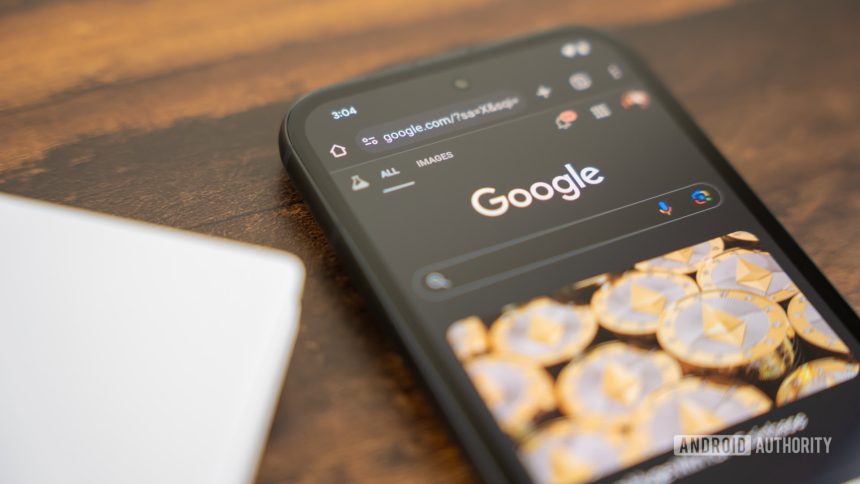
If you’ve been throwing your hands up at Google Search lately, you’re in good company. One of the platform’s most quietly essential tools — the time filter — has gone haywire, and it’s happening to users across the globe, not just in your corner of the internet.
Here’s the deal. When you run a search, Google lets you narrow results by recency: the past hour, the past 24 hours, the past week, month, or year. It’s the sort of feature you never think about until you actually need it — chasing breaking news, hunting for a firmware update released this morning, or checking whether that error message plaguing your gadget is a fresh problem or an old one.
Right now, that filter is essentially decorative. Select Past 24 hours and Google cheerfully serves up pages from months or even years back. Ask for the Past week and you’ll get a jumble of results with no discernible relationship to the window you chose. The filter appears to apply — the interface shows it engaged — but the results underneath ignore it entirely.
This matters more than a broken toggle might suggest. Time filtering is a load-bearing part of how people separate signal from noise online. For anyone doing research, tracking a developing story, or trying to confirm that information is current, the ability to say “show me only recent stuff” isn’t a luxury — it’s the whole point of a targeted search.
Why should you care as a tech user? Consider how often recency drives a good search:
- Verifying whether a security patch or driver landed in the last few days
- Following a live product launch or a rolling outage
- Filtering out obsolete tutorials that reference dead software versions
- Confirming a rumor is actually new and not a recycled headline
Strip the time filter of its meaning and every one of those tasks gets harder. You’re back to eyeballing publish dates one result at a time — assuming they’re even shown, and assuming they’re accurate.
The good news, if there is any, is that this looks like a bug rather than a deliberate change. Broken software gets fixed; deprecated features do not. And because the fault is showing up worldwide, it’s clearly a server-side hiccup, meaning there’s nothing to clear, reinstall, or reset on your end. No amount of clearing cookies or switching browsers will bring the filter back to life until Google patches whatever’s misfiring in its own pipeline.
For now, the pragmatic workaround is to lean on manual date operators and cross-check timestamps yourself, or to route time-sensitive queries through an alternative search engine. It’s a clumsy stopgap for a feature that’s supposed to be invisible — but until Google restores order, invisible is exactly what its time filters have become.