India’s wearable heavyweight Fire-Boltt is stepping well beyond fitness bands. Its new sub-brand, boltt, is preparing to put two smartphones on the market — the Boltt Ace 5G and the Boltt Evo 4G — with both set to arrive on August 25, 2026, at 12:00 PM IST.
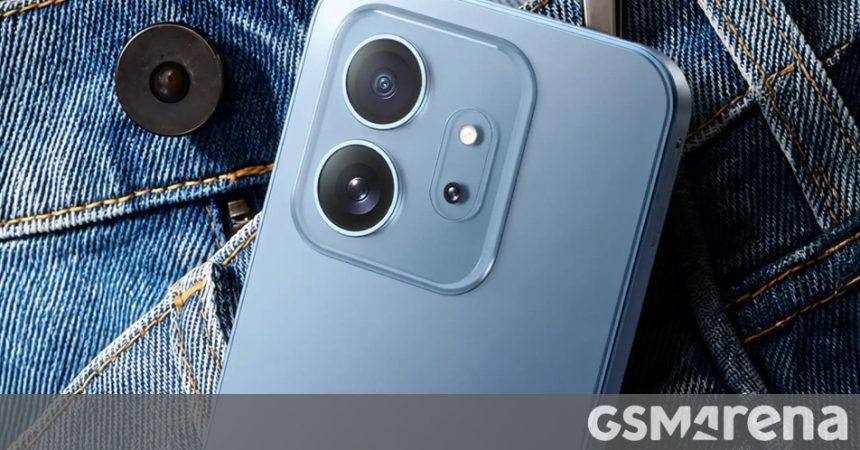
The teaser images that surfaced on Flipkart already gave away a few design cues. The Ace 5G shows a triple rear camera arrangement and measures 9.49mm thick, while the Evo 4G is being pitched as a phone that “fits in your pocket,” with a “flat edge middle frame” that follows the current squared-off design trend.
The Evo 4G is the one we know the most about. It runs on a Unisoc T7250 chip paired with 4GB of RAM and 128GB of storage — a sensible loadout for a budget device rather than a spec-sheet trophy. The display is a 6.67-inch IPS panel with a 120Hz refresh rate, which is a genuinely welcome touch at this end of the market, where 60Hz screens still linger.
Imaging duties fall to a dual rear camera setup:
- 50MP main sensor
- 2MP secondary sensor
Keeping everything powered is a chunky 6000mAh battery with 18W fast charging. Perhaps the biggest surprise, though, is the software: the Evo 4G ships with Android 16, which is an unusually fresh version for a phone landing in this price tier. Speaking of which, the Evo 4G carries a tag of ₹14,999.
The Ace 5G, meanwhile, is keeping its cards closer to its chest. Full specifications haven’t been revealed yet, and the only hard details we have are that visible trio of rear cameras and the 9.49mm profile. Pricing hasn’t been locked down either, though it’s expected to land somewhere in the ₹10,000 to ₹15,000 range — which would put the 5G model right alongside its 4G sibling rather than well above it.
That pricing logic is interesting in itself. Positioning a 5G handset in the same bracket as a 4G one suggests boltt is chasing volume and value rather than trying to carve out a premium niche. It’s a familiar strategy for a company that made its name selling affordable smartwatches by the truckload, and it maps neatly onto India’s fiercely price-sensitive smartphone market.
Whether a wearables brand can translate its recognition into phone sales is the real question. The hardware on paper — a 120Hz screen, a 6000mAh battery, Android 16 — is competitive for the money. Now it comes down to build quality, software polish and whether boltt can stand out in a segment already crowded with established rivals.