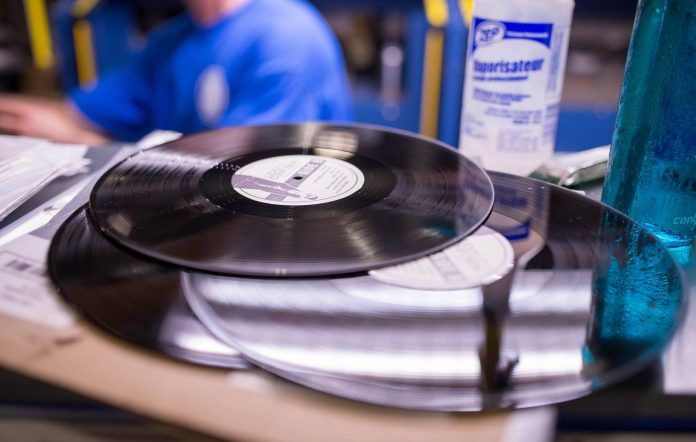
There’s something gloriously absurd about the idea of pressing an AI-generated track onto vinyl — the most physical, most human, most stubbornly analog format we’ve got. And yet here we are. Suno, the AI music generator that lets anyone conjure a full song from a text prompt, is launching a service called Suno Vinyl that turns those synthetic creations into spinnable 12-inch records.
The pitch is straightforward enough. You make a track on Suno, you send it off, and it comes back as a real object you can hold, sleeve, and drop onto a turntable. For anyone who has ever wanted to feel the tactile satisfaction of owning music that, technically speaking, no human wrote — this is your moment.
Here’s what you actually get for your money:
- US$45 plus shipping per record
- A 12-inch black record pressed from PETG, a material Suno bills as eco-friendly
- Up to 46 minutes of audio per disc
- A full-color printed sleeve and labels to complete the package
The PETG choice is the interesting technical wrinkle. Traditional records are pressed from PVC, so opting for PETG — a recyclable polyester more commonly seen in packaging and 3D printing filament — is Suno’s attempt to give the whole enterprise a greener conscience. Whether audiophiles will notice any difference in the groove is a question that will have to wait until the discs are actually spinning on real platters.
And that’s the catch: as things stand, Suno Vinyl hasn’t launched yet. The service is listed as coming soon, with the first pressing run reserved for people on a waitlist. So if you’re desperate to hear your prompt-engineered masterpiece etched into a physical groove, you’ll need to sign up and queue like everyone else.
It’s easy to be cynical here, and plenty of people will be. Vinyl’s entire resurgence has been built on nostalgia, craftsmanship, and the romance of analog imperfection — everything AI-generated music is not. Handing that heritage format over to an algorithm feels, to some, like the final frontier of automation encroaching on a corner of culture that was supposed to be sacred.
But there’s a counterargument worth entertaining. A record is a record regardless of who — or what — made the music on it. If Suno’s generators are producing tracks people genuinely enjoy, then giving those tracks a permanent physical home is arguably no stranger than pressing a bedroom producer’s laptop project to wax. The novelty of owning your own custom pressing, complete with printed sleeve, has an undeniable appeal.
Whether Suno Vinyl becomes a genuine collector’s curiosity or just another footnote in the AI-slop saga, one thing is clear: the line between synthetic and physical music just got a lot thinner. And at US$45 a disc, someone is betting there’s a market for exactly that.