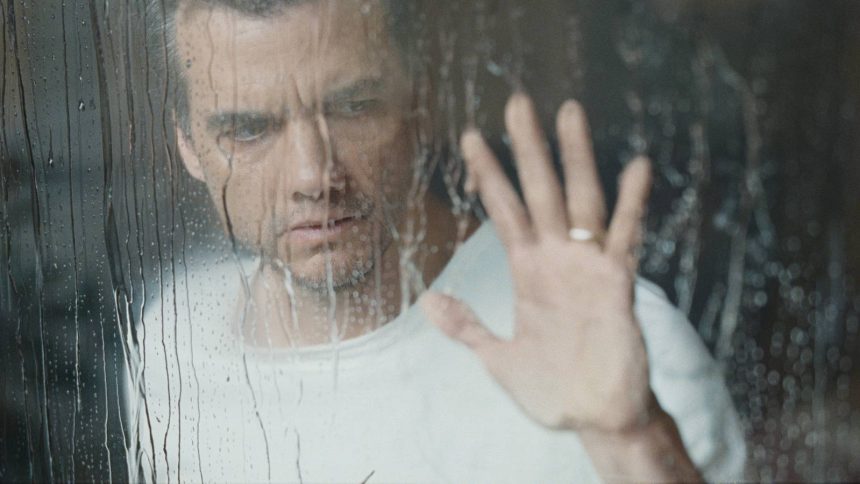
Netflix doesn’t usually make a fuss about how its films are shot — most stream to the same phones, tablets and TVs regardless of the camera negative behind them. But The Last House, the sci-fi thriller directed by Louis Leterrier, is drawing attention for exactly that reason. The film arrives on Netflix on August 7, 2026, and it carries a technical calling card that’s increasingly rare in the streaming era.
The headline detail: the first half of the movie was shot on 35 mm film. That’s a deliberate, tactile choice in a landscape dominated by high-resolution digital capture, and it’s the kind of decision that changes the texture of a picture in ways viewers feel even if they can’t name it — the grain, the highlight roll-off, the organic softness that digital sensors spend a lot of processing power trying to imitate.
For a filmmaker like Leterrier, best known for kinetic action pictures, reaching for celluloid signals intent. Shooting on film imposes discipline: finite takes, real lighting, and a commitment to getting the shot in camera rather than fixing it in post. It’s a format that rewards planning and punishes waste, and it tends to leave a distinctive fingerprint on the final image that plays well on a large, high-quality display.
The cast gives the project real weight. Greta Lee, fresh off the kind of performance that turns heads, and Wagner Moura, a performer with genuine range, headline a thriller that Netflix is positioning as one of its more ambitious releases. Sci-fi thrillers live or die on tone and craft, and pairing that talent with a director who cares about the physical medium suggests the streamer is aiming higher than the usual algorithm-friendly filler.
A few practical notes for anyone planning their viewing. Because part of the film was captured on 35 mm, the difference is most likely to show on a well-calibrated 4K set with the right playback settings — film grain and film-sourced imagery reward a display that isn’t aggressively smoothing motion or crushing shadow detail. If your TV has a motion-interpolation “soap opera” mode switched on, this is the film to switch it off for.
It’s worth flagging what we don’t know. Beyond the 35 mm detail for the first half, Netflix hasn’t published a granular technical breakdown of the production, and the platform’s streaming delivery will ultimately govern how the finished image reaches your screen. Still, the choice to shoot on film at all is a statement of ambition — and a small, welcome nod to the idea that how a movie is made still matters.
The Last House streams on Netflix from August 7, 2026.