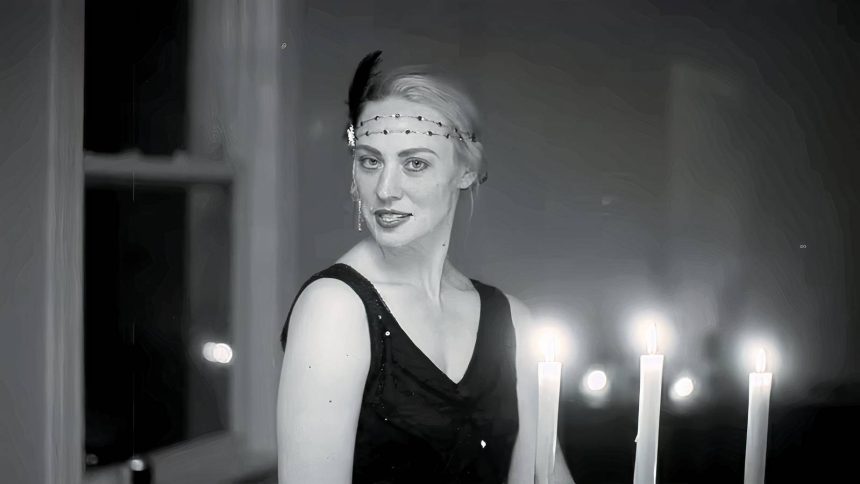
Actual-play Dungeons & Dragons has become one of the streaming era’s great success stories, and Tales from Woodcreek is one of the more inventive experiments in the genre. Its second season leans hard into that reputation, trading a straightforward campaign for something closer to a whodunit staged inside a haunted house.
The setup is a sprawling 1920s mansion, an ambitious alternate reality game (ARG) running alongside the show, and a murder mystery pitched as a collision between two very different sources of inspiration: the board game Clue and Stanley Kubrick’s The Shining. If you’ve ever wanted to see a party of adventurers creep down candlelit corridors trying to work out who did it, where, and with what, this is aiming squarely at that itch.
Leading the table again is actress Deborah Ann Woll, who has quietly become one of the more thoughtful dungeon masters working in the space. The season’s pitch of a grand hotel-style setting, secrets in every room and a body to account for gives her plenty to work with — and the theatrical framing suggests the production is going for atmosphere over pure combat.
What sets Woodcreek apart from most actual-play shows is how much it borrows from live experiences. The season blends classic D&D adventuring with escape room puzzles and what the team calls theatrical wizardry, so players aren’t just rolling dice — they’re solving physical and narrative riddles baked into the story. The accompanying ARG extends that idea beyond the screen, inviting the audience to dig into the mystery themselves rather than simply watch it unfold.
Here’s the practical part for anyone who wants in. Season 2 was announced at Game Con Canada, and the project is being funded through crowdfunding rather than a traditional platform commission. The Kickstarter campaign goes live on August 11, 2026 — a route that’s become increasingly common for tabletop-adjacent productions looking to build a season around a committed community.
The choice of a puzzle-driven, mystery-forward format feels like a deliberate step up in ambition. A 1920s mansion is the kind of contained setting that rewards careful writing: limited suspects, a fixed geography, and a ticking sense of dread borrowed straight from The Shining. Layer the interactivity of an escape room on top of that, and you get a show designed to make the audience feel like participants rather than spectators.
Whether the ARG lands, and how far the escape-room elements translate to a filmed series, will be the things to watch once the campaign opens. But as a statement of intent, “a murder mystery where you can help solve the case” is a strong hook — and a reminder of how far actual play has traveled from its dice-in-a-basement roots.