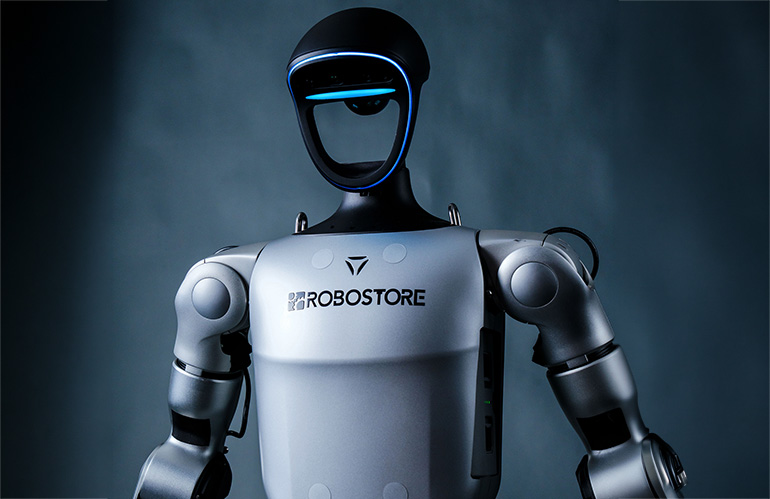
Deploying robots in the real world is rarely as simple as unboxing a machine and flipping a switch. RoboStore, best known in the U.S. as a distributor of Unitree’s legged robots, knows this better than most — and its answer is Robo Inc., a new U.S.-based robotics manufacturer and systems integrator launched on August 10, 2026.
The idea is straightforward but ambitious. Rather than selling a single robot and wishing customers luck, Robo Inc. positions itself as the company that figures out which robot an organization actually needs, sources or builds the right hardware, and stitches everything together into a working deployment.
Crucially, Robo Inc. is hardware-agnostic. It isn’t tied to one manufacturer’s platform, so it can pick robotic bodies and components based purely on what an application requires. That’s a meaningful distinction in a market where many vendors push their own machine as the solution to every problem. Legged robots, wheeled platforms, manipulators — the goal is to match the tool to the task instead of forcing the task onto the tool.
To back that promise with real production muscle, RoboStore is standing up a 66,000-square-foot facility on Long Island, New York. The site is expected to be fully operational by Q1 2027, giving the company a domestic base for both manufacturing and integration work — a point that carries weight for U.S. organizations wary of leaning entirely on overseas supply chains.
What does that mean in practice? A few things worth watching:
- Local manufacturing — building and assembling robotic systems on American soil rather than importing finished units.
- Systems integration — combining platforms, sensors and software into deployments that actually run in the field.
- Application-first selection — choosing components around the job instead of around a brand.
The move also reflects a broader shift in the robotics business. The hard part is no longer building an impressive robot for a demo reel — plenty of companies can do that. The hard part is getting these machines to do useful, repeatable work inside warehouses, facilities and job sites without a team of engineers babysitting them. That’s the gap Robo Inc. is aiming to fill, trading the flashy single-product pitch for the less glamorous but far more valuable role of making robots practical.
For RoboStore, it’s a natural evolution from distribution to something closer to a full-service partner. Whether Robo Inc. can deliver on the integration promise will become clearer once the Long Island facility hits full stride, but the strategy is sound: in robotics, the winners increasingly aren’t the ones with the coolest hardware — they’re the ones who can make it work.