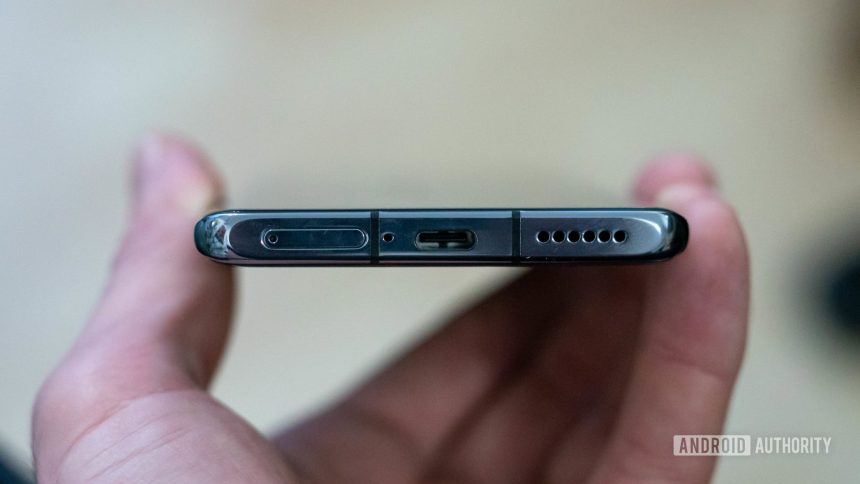
Here’s a downgrade you can’t see on a spec sheet, but you might just be able to hear it. The global memory shortage rattling the consumer electronics industry in 2026 is pushing manufacturers to hunt for savings wherever they can find them — and one of the quieter casualties could be the audio quality of your next phone.
The logic is grimly straightforward. When the cost of RAM spikes, every component in a device suddenly competes for a shrinking budget. Memory is non-negotiable — you can’t ship a smartphone without it — so the squeeze lands on parts that are easier to trim without triggering an obvious backlash. Audio hardware is a tempting target precisely because most buyers never read the fine print on it.
Think about what gets shaved when the accountants take over: the DAC that turns digital files into analog sound, the amplifier driving your headphones, the speaker modules tuned for a fuller low end, the microphones that make your voice sound clean on a call. Swap any of these for a cheaper equivalent and the phone still boots, still plays music, still passes a store demo. The difference only reveals itself later — a thinner soundstage, muddier bass, a call that sounds slightly more like a tin can.
What makes this so insidious is that audio degradation is invisible on paper. A manufacturer can quietly substitute a lower-grade audio codec or a budget speaker while the marketing bullet points stay identical. Storage, screen resolution, camera megapixels — those get scrutinized. Sound rarely does.
It’s worth being clear about where this stands: this is a plausible cost-cutting pattern flagged as a consequence of the ongoing memory crunch, not a confirmed change to any specific handset. No single phone has been named as the guinea pig. But the industry-wide pressure is real, and history suggests that when margins tighten, the components buyers can’t easily benchmark are the first to feel it.
For anyone who actually listens — wired-headphone holdouts, podcast bingers, mobile musicians — the advice is simple:
- Don’t assume this year’s model sounds as good as last year’s just because the numbers match.
- Read hands-on reviews that test audio output, not just launch spec sheets.
- Pay attention to speaker and mic impressions in early user reports.
The RAM crisis has already reshaped pricing and availability across laptops, phones and gaming hardware in 2026. The uncomfortable takeaway is that some of its effects won’t show up in a comparison chart at all — you’ll only notice them the next time you plug in your favorite song and think, hang on, that didn’t used to sound like this.