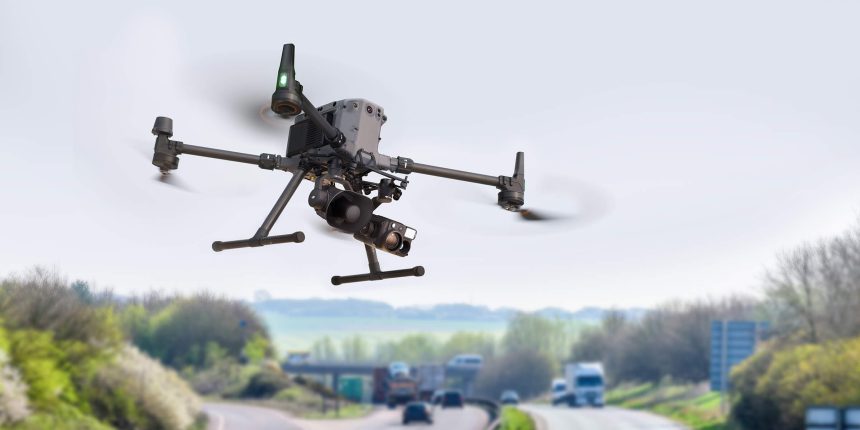
If you’ve been eyeing a heavy-lift drone or a thermal-camera rig from overseas, get ready to pay a premium. In a presidential action signed on August 13, 2026, the White House rolled out a sweeping set of tariffs aimed squarely at imported drones and their components — and at the top end, the numbers are eye-watering.
The headline figure is a 100 percent tariff. That rate applies to drones with a maximum takeoff weight over 25 kilograms, drones equipped with thermal imaging capabilities, docking stations, and certain critical components. In plain terms: the professional and industrial gear used for surveying, agriculture, inspection and search-and-rescue is about to double in landed cost.
Smaller drones don’t escape either, though they get off comparatively lightly. Consumer and prosumer models below that 25 kg threshold face a 25 percent tariff — still a meaningful bump for hobbyists and content creators who’ve grown used to affordable flying cameras.
There is some relief baked in for allied trading partners. Drones and components originating from the EU, Japan, Liechtenstein, South Korea, Switzerland and Taiwan get a reduced 15 percent rate, while goods from the United Kingdom land at just 10 percent. That carve-out could reshape where retailers and manufacturers choose to source hardware in the coming months.
Timing matters here. The main tariffs take effect on September 3, 2026, giving importers a narrow window before the new rates kick in. A second wave of component tariffs is scheduled to follow on February 9, 2027, meaning the pricing picture will shift again early next year.
The move fits a broader pattern. The administration has already moved to block future foreign drones — along with routers, robots and yes, robot vacuums — from entering the US market unless their makers fall in line. This latest action extends the pressure from future products to the ones already flowing across the border, targeting both finished aircraft and the parts that keep them airworthy.
For the drone industry, the implications are significant. A market long dominated by imported hardware now faces a cost structure that rewards domestic assembly and allied sourcing — and penalizes almost everything else. Whether that spurs a homegrown manufacturing push or simply pushes prices up for buyers remains the open question.
One clarification worth making, since it’s been widely muddled: this action is about drones and unmanned aircraft systems and their components — not general aviation or ordinary aircraft parts. If you fly camera drones for work or fun, though, this one’s aimed right at you.