Machines that move fast around people need something to hit the brakes when things go wrong. That’s the business FORT Robotics has built — and now it’s going public.
The company announced today, August 18, 2026, that it has signed a merger agreement to list on Nasdaq through a SPAC deal. The combined entity will be named FORT Robotics Holdings, Inc. and is expected to trade under the ticker FROB. FORT is targeting a pre-money equity value of $500 million, with the transaction slated to close in the fourth quarter of 2026. The stated goal: pour money into accelerating development of its safety software stack.
So what exactly is FORT selling? Rather than robots themselves, the company supplies the layer that keeps industrial and autonomous machines from becoming hazards. Its portfolio spans wireless emergency stops, vehicle safety controllers, and a software platform called FORT Manager that ties the hardware together and gives operators a way to command and monitor safety functions across a fleet.
The credentials here matter more than flashy specs. FORT’s technology carries SIL 3 certification — Safety Integrity Level 3 under the IEC 61508 functional-safety standard. That’s a demanding rung on the ladder, the kind of rating you need when a failure could injure someone or worse. Reaching it isn’t a marketing checkbox; it requires rigorous design, testing and documentation. The company also says its work is backed by 25 patents, a signal that it views the safety layer as defensible intellectual property rather than a commodity.
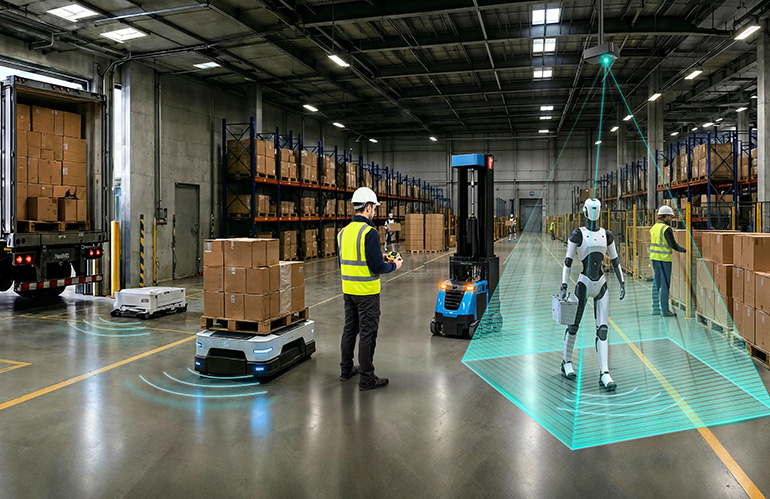
The timing tracks with where the wider robotics market is heading. As mobile robots, autonomous vehicles and collaborative machines spread across warehouses, factories and job sites, the question of how to stop them safely — and prove you can — has moved from afterthought to prerequisite. A dedicated safety stack that plays across different manufacturers’ hardware is an appealing pitch to operators who don’t want to build that expertise in-house.
Going public via SPAC also says something about ambition and speed. The route gives FORT a faster path to public-market capital than a traditional IPO, and the company is explicit that it wants to use the proceeds to push its software forward. In a field where every new deployment raises the stakes on getting safety right, more engineering resources aimed at emergency stops, controllers and fleet-level safety management is a reasonable place to spend.
The deal still has to close, and public listings carry their own risks — SPAC transactions in particular have had a bumpy few years. But for a company whose entire value proposition is that machines fail safely, the pitch to investors is refreshingly concrete: build the guardrails everyone else needs before their robots roll out.