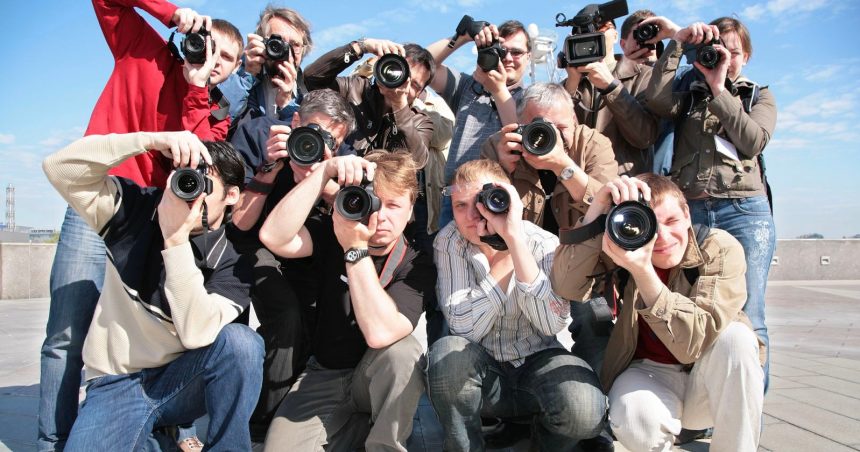
Stock photographers licensing their work through Alamy woke up to a leaner paycheck today. A new tier system, announced in a company blog post on July 13, 2026, has taken effect — and for a large chunk of contributors, it means their standard commission has been cut in half, from 40% down to 20%.
Here’s how the new Bronze, Silver, and Gold structure breaks down:
- Bronze — photographers earning below $250 per year keep just 15%, with Alamy pocketing the other 85%.
- Silver — contributors clearing $250 per year now earn 20% commission.
- Gold — only those who make more than £3,000 per year hold onto the previous 40% rate.
The math is where it stings. Most working stock photographers pass the $250 mark within twelve months, dropping them straight into Silver’s 20% band. Meanwhile, the Gold threshold sits high enough to lock out the majority. Alexandre Rotenberg of brutallyhonestmicrostock.com estimates that only 3% to 8% of Alamy contributors clear $3,000 — meaning the 40% cut that was once the norm is now a rarity reserved for top earners.
Alamy frames the shakeup as an investment strategy rather than a cost-cutting exercise. Managing director Lira Mendonca points to money poured into Alamy Smart Search, a streamlined customer experience, expanded licensing options, and a modernized platform. “These investments are designed to make contributor content easier to discover, connect customers with the right content for their projects, and inspire greater usage across our collection,” she wrote.
Mendonca also acknowledged the fallout head-on. “I know some contributors will be disappointed by these changes, and I understand why. Decisions like these affect real people and businesses, and we considered them carefully,” she said, adding that the goal is “to ensure we can continue investing in overall improvements” and “keep Alamy competitive in a rapidly evolving market.”
Contributors were not soothed. Alamy’s forum lit up with frustration before the message board was locked behind a login. According to British magazine Private Eye, one photographer wrote: “In view of this latest outrage, I’ve decided I have better things to do than waste my time with Alamy.”
Neil Turner, secretary of the British Press Photographers’ Association, went further with an open letter urging the agency to keep the 40% rate. “We are aware that Alamy needs to invest in technology constantly to remain competitive in a difficult marketplace,” Turner wrote. “What we cannot accept is that contributors who have been loyal to your platform and who do not cause you any problems should bear the cost of it.”
It’s not the first squeeze from the U.K.-based agency, which also runs a sales office in Brooklyn, New York. Alamy previously trimmed the standard rate from 50% to 40%. For many contributors, this latest move confirms an uncomfortable trend — the people making the pictures are keeping a shrinking slice of the pie.