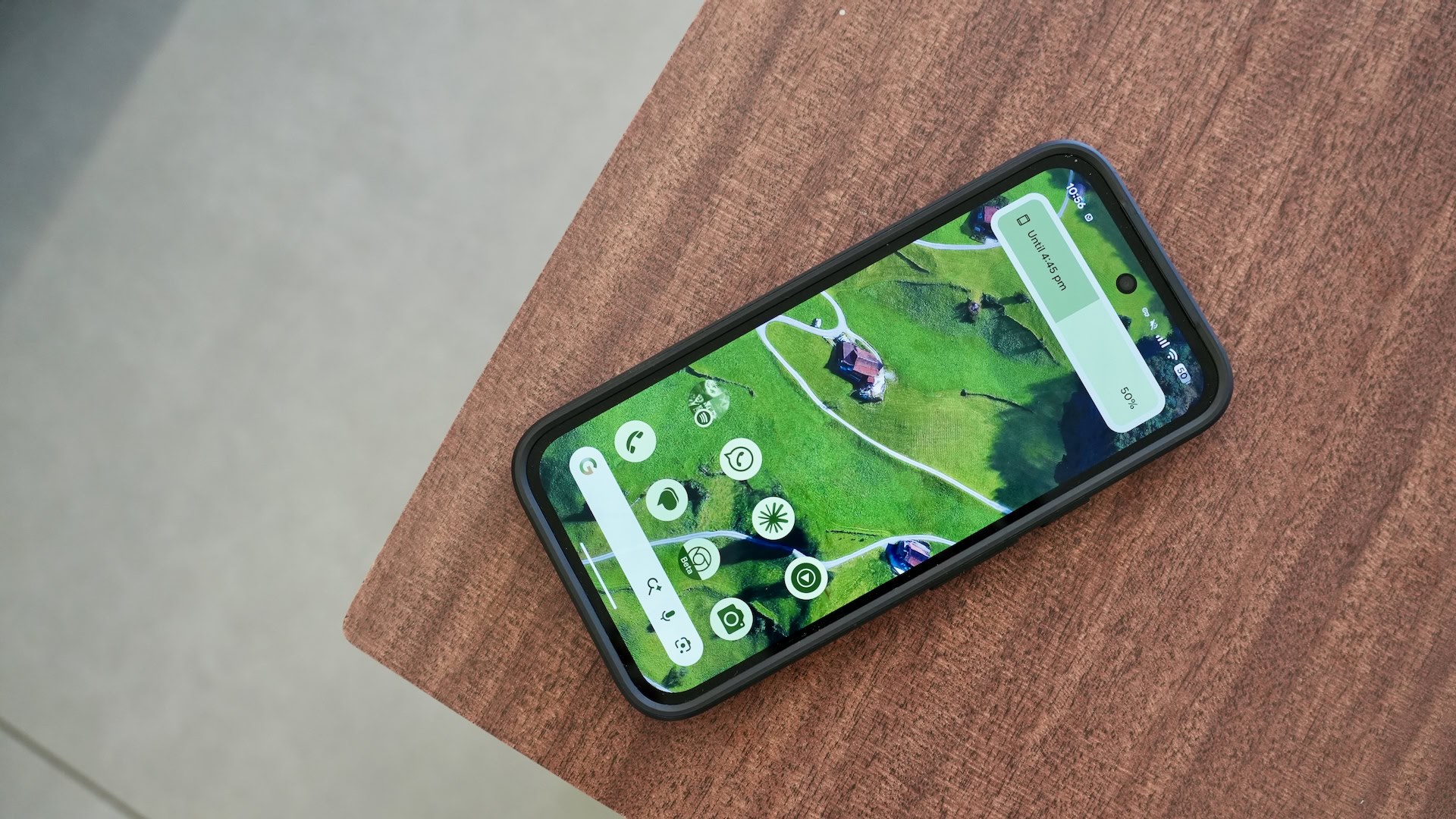
The dumbphone revival has a pricing problem. Minimalist handsets promise fewer notifications and less doomscrolling, but they ask you to buy a second phone to get there. An Android Authority feature published on September 20, 2026 takes the opposite route: instead of a new device, the author rebuilt a Google Pixel 9a into something quieter, on the grounds that they don’t like the idea of spending $500 on a Light Phone or a Wisephone.
The foundation isn’t an app at all. Notifications for most apps get switched off, or at least trimmed down to the handful of updates that actually matter. Everything else is about removing the parts of Android that are engineered to keep you looking.
The centrepiece is Switchly, a free, open-source app blocker built around physical triggers — it supports NFC tags and QR codes, which is precisely the trick sold by the Brick, a hardware blocker that costs $59. Switchly’s sharper move is granularity: rather than nuking a whole app, it can block just the addictive parts, and the author has it set to permanently kill Reels on Instagram and Shorts on YouTube. The developer’s own listing backs this up, describing in-app blocking for YouTube Shorts and Instagram Reels among others, with the core app usable without buying premium or an official tag.
From there it’s a swap-out exercise, mostly toward free and open-source software that carries no ads by design:
- Fossify suite — ad-free replacements for Gallery, File Manager, Calendar, Music Player, Messages and Phone
- NewPipe — a YouTube client with no ads, offline downloads and hand-curated subscriptions instead of an algorithmic feed
- Fennec — an open-source fork of Mozilla Firefox with none of the telemetry
- FUTO Keyboard — a free, open-source answer to a Gboard the author calls a bit bloated
- Breezy Weather — an open-source, heavily customisable weather app
- BlockAds — a VPN-based global ad-blocker aimed at the full-screen ads in free Android apps
- Niagara Launcher — a minimal home screen where you pin a couple of useful apps at the top, maybe a widget, and stop there
Niagara’s site lists a free tier alongside a Pro subscription at €21.99/year or €64.99 for a lifetime licence, so even the paid ceiling here sits far below a dedicated minimalist handset.
Google’s own apps get defanged rather than deleted. Chrome’s home page is stripped of almost every element except the search bar, with notifications disabled. Gmail loses its Gemini features and the Meet tab. Google Maps has its suggestions and recommendations turned off so the Explore page stops elbowing its way in.
The result isn’t a dumbphone — maps, messaging and the camera all still work. It’s a smartphone with the slot machine quietly unplugged, assembled mostly from software that costs nothing.