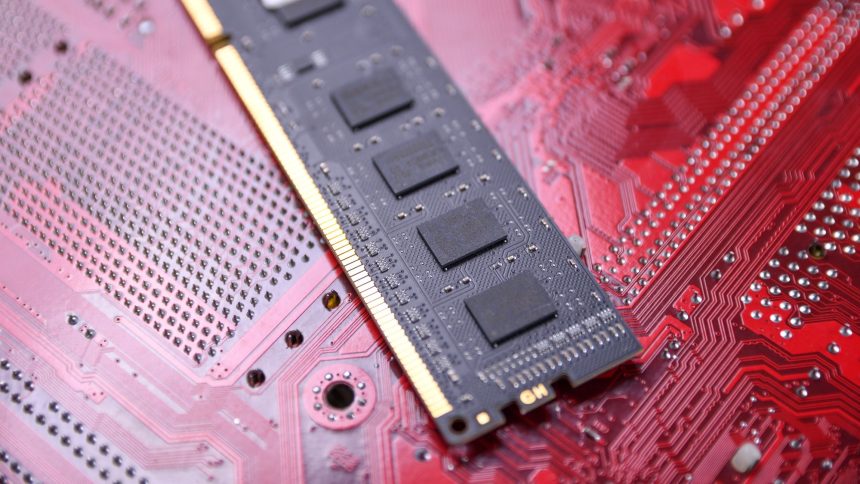
If you’ve been waiting for memory prices to deflate before building your next PC or upgrading your laptop, Lenovo has some bad news: that day may never come. At ISC 2026 — the high-performance computing, AI and quantum conference — the company laid out an analysis of DRAM and NAND price trajectories, and the conclusion was blunt. Elevated memory pricing isn’t a temporary spike. It’s the new normal.
The framing was half-serious, half-grim. Lenovo’s presenter suggested that the higher prices we’re grappling with today will still be the baseline in 2030 and beyond, delivered with enough of a wink to land as a joke — but a joke nobody in the room found especially funny. The underlying message stuck: prices for DRAM and NAND are not expected to return to pre-2025 levels. Ever.
Why does this matter to anyone outside a data center? Because DRAM and NAND are the raw ingredients behind nearly every gadget you own. DRAM is the working memory in your laptop, phone and graphics card; NAND is the flash storage inside your SSD, your handheld console and your camera. When the component cost climbs and refuses to fall, that pressure ripples straight through to retail price tags — or, just as often, to quietly stingier specs at the same price.
The driver here isn’t hard to guess. The relentless build-out of AI infrastructure has turned memory and storage into some of the most fought-over commodities in tech. High-bandwidth memory and enterprise-grade NAND command premiums that pull capacity away from the consumer market, and manufacturers have little incentive to flood the channel with cheap chips when AI buyers are happy to pay more. Lenovo, as one of the world’s largest PC makers, sits right in the crossfire — it has to source these components at scale, and it’s clearly bracing for a long stretch of inflated costs.
For consumers, the practical takeaways are worth thinking through:
- Don’t bank on a price crash. The historic pattern of memory gluts dragging prices down may not repeat the way it used to.
- Watch the spec sheets, not just the sticker. Expect base configurations to hold or shrink RAM and storage to protect margins.
- Upgrades could get pricier. Aftermarket DIMMs and SSDs are exposed to the same forces as factory-fitted memory.
None of this means panic-buying RAM tomorrow. But it does reframe a long-standing assumption that PC components inevitably get cheaper over time. Lenovo’s view is that memory, at least, has broken that cycle — and that the bargain-bin era of DRAM and NAND may already be behind us.
Whether that’s a sober reading of the market or a convenient narrative for a hardware vendor is open to debate. Either way, when a company that buys memory by the truckload says the cheap days are over, it’s worth listening.