The U.S. Federal Communications Commission just turned up the heat on the gray market for Chinese drone tech. On July 10, 2026, the agency handed down fines of $25,000 each to eight companies, accusing them of ignoring official inquiries into how they import and sell wireless products in the United States.
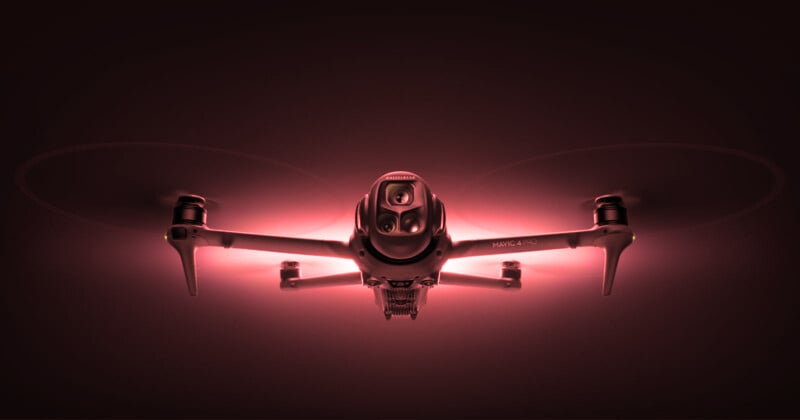
The common thread? Several of the firms have allegedly been tied to funneling DJI technology into the country — a pointed target, given the tightening web of restrictions Washington has been weaving around Chinese drone manufacturers.
This isn’t a case about faulty gadgets or unsafe radios. The penalties stem from something more procedural but no less serious in the FCC’s eyes: the companies allegedly failed to respond to the Commission’s questions about their wireless products. In regulatory terms, silence is not golden. When a federal agency asks how devices with radios and transmitters are entering the market, staying quiet tends to invite exactly this kind of enforcement action.
For anyone following the DJI saga, the timing tracks. DJI dominates the consumer and prosumer drone space, but its position in the U.S. has grown increasingly precarious amid national-security scrutiny and mounting import limitations. Where official channels narrow, secondary importers and resellers often step in — and those are precisely the players the FCC appears to be probing here.
The mechanics are worth understanding. Any device that broadcasts a wireless signal — and drones lean heavily on radio links for control and video transmission — must clear FCC authorization to be legally marketed in the U.S. That authorization process is where the Commission gets its leverage. By demanding answers from importers and distributors, it can map out who is bringing what into the country, and under what compliance conditions.
Eight $25,000 fines won’t bankrupt anyone, and the sums are modest by federal standards. But the message is louder than the dollar figure. The FCC is signaling that it intends to scrutinize the wireless supply chain around restricted foreign hardware, and that ignoring its inquiries carries a price tag.
For consumers, none of this changes what’s sitting on shelves today — but it hints at a bumpier road ahead for anyone hoping to snap up DJI gear through unofficial channels. As enforcement ramps up, the availability and legality of imported drone tech in the U.S. could get murkier, not clearer. The regulators, it seems, are done waiting for replies.