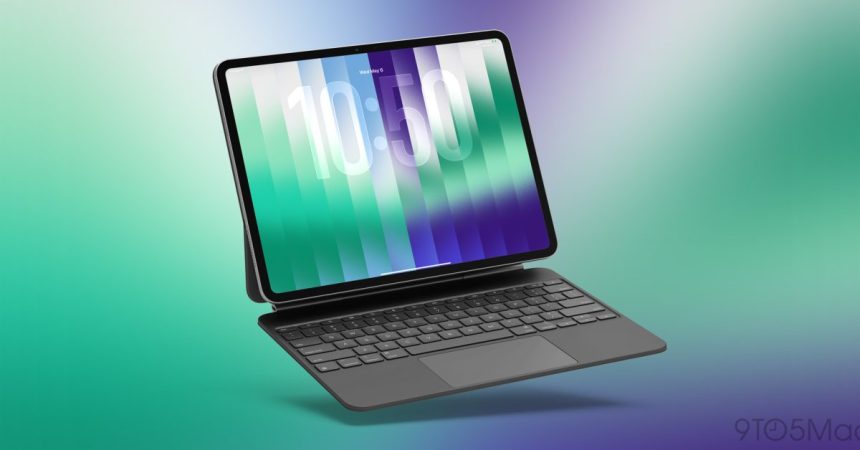
Apple gave the iPad a genuine reinvention with iPadOS 26, tearing out the old Split View and Slide Over in favor of a proper windowing system. Those familiar shortcuts eventually came back, but with strings attached: to use them, you had to route everything through the new, undeniably clunky windowed interface. For anyone who just wanted two apps snapped side by side without fuss, that felt like a step sideways rather than forward.
iPadOS 27, unveiled at Apple’s WWDC on 8 June 2026, was the obvious moment to fix that friction. It didn’t. The good news is that Apple hasn’t stood still on multitasking altogether — the release introduces what the company describes as a fluid new multitasking engine that lets you drag, drop, split, and layer apps more smoothly. The bad news is that the underlying philosophy hasn’t changed: power and flexibility are prioritized over the quick, low-effort layouts that made the iPad approachable in the first place.
The rest of the update leans heavily into polish and intelligence. Highlights include:
- An all-new Siri rebuilt on Apple Intelligence
- A fluid multitasking engine for smoother dragging, dropping, splitting, and layering of apps
- Liquid Glass design, refined with an accessibility slider
That accessibility slider is a quiet but welcome nod to the fact that not everyone wants — or can comfortably parse — a maximalist, translucent interface. It hints that Apple is at least aware that its design ambitions can outrun everyday usability. The question is why that same awareness hasn’t reached multitasking, where the demand for a dead-simple two-app split is arguably even louder.
What would genuinely help is a lightweight path back to the old model: the ability to snap two apps together instantly, without first summoning and wrangling floating windows. Windowing is a fantastic option for people who treat their iPad Pro as a laptop replacement. It shouldn’t be the mandatory toll booth everyone passes through just to read a webpage next to their notes.
For now, iPadOS 27 is available to registered developers, with a public beta planned for July and a wide release expected around 14 September 2026. There’s still runway before the final build ships, but the core multitasking architecture rarely shifts dramatically between beta and release. If you were hoping this year would restore the effortless Split View experience, temper your expectations — the engine is faster and slicker, but the simplicity is still missing.
Apple deserves credit for a bolder, more capable iPad platform. The next win, though, isn’t more capability. It’s giving users the choice to opt out of complexity when they simply don’t need it.