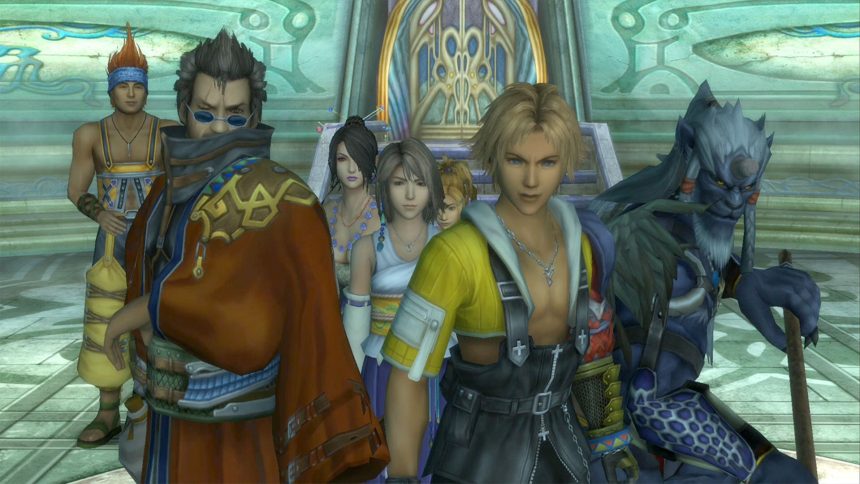
Behind every design pivot there’s usually a hunch about where the culture is heading. For Final Fantasy X, that hunch had a name: Middle-earth.
According to the game’s developers, the leap from the sci-fi-tinged world of Final Fantasy VII toward the more overtly fantastical setting of the tenth installment wasn’t purely an internal creative whim. The team learned that The Lord of the Rings was in production and concluded that Peter Jackson’s epic could well become “the next big global trend.” Rather than double down on the industrial, dystopian machinery that defined FFVII, the studio chose to ride the wave they saw forming.
It’s a fascinating peek at how blockbuster cinema and game design feed off each other. In the early 2000s, the fantasy genre was about to be catapulted into the mainstream by a trilogy that would go on to redefine what a movie franchise could be. The Final Fantasy team, evidently, read the tea leaves and adjusted course accordingly.
The result was a game that leaned hard into a lush, mythic aesthetic — the sun-drenched world of Spira, its pilgrimage-driven narrative, and a visual identity that felt closer to sweeping high fantasy than to the neon-and-steel cyberpunk edges of its predecessor. Whether or not you connect the dots to Jackson’s films consciously, the tonal shift is unmistakable when you put the two titles side by side.
What makes the revelation so telling is the timing. Final Fantasy X launched in 2001, the same window in which The Lord of the Rings: The Fellowship of the Ring arrived in theaters. Two juggernauts of their respective mediums, chasing — and helping to create — the same cultural moment. The developers weren’t just reacting to a finished phenomenon; they were betting on one before it fully materialized.
That kind of trend forecasting is a reminder that the games we remember weren’t made in a vacuum. Studios watch what’s coming out of Hollywood, publishing, and pop culture at large, then make calculated wagers about what audiences will crave a few years down the line. Sometimes those bets miss. In this case, the gamble paid off spectacularly — both franchises became defining works of the decade.
Twenty-five years on, the anecdote lands as a neat little bit of gaming history: one of the most beloved entries in a long-running RPG series owes part of its identity to a filmmaker on the other side of the world, quietly reshaping the fantasy landscape for everyone.