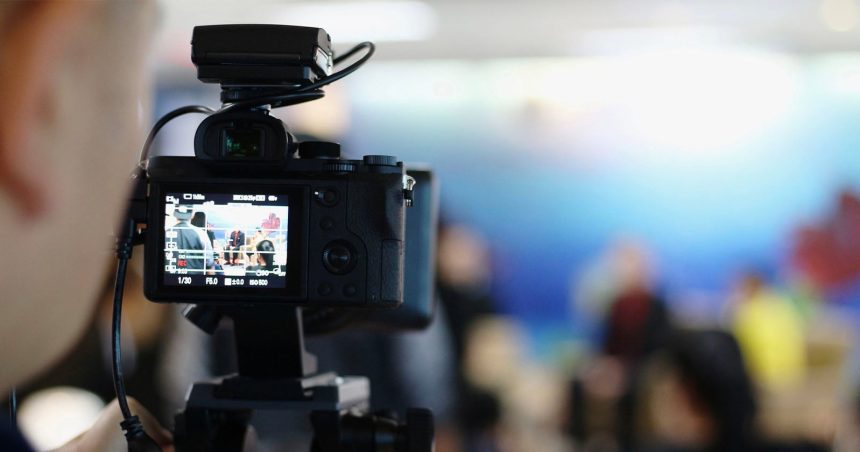
In the United States, filming in a public space is legal. It’s a First Amendment right that photographers — especially those working in the media — have relied on for decades. But a growing group of content creators who call themselves “First Amendment auditors” are pushing that right to its breaking point, and often filming the fallout for their social media channels.
These auditors aren’t strictly photographers. They’re producers of confrontation content, and the confrontation is the point. A recent CNN report followed Ian and Pam Pfister, who run the Welcome to this World Media YouTube channel, as they walked into a transit center in Royal Oak, Michigan. A security guard immediately told them to stop filming. They refused, insisting it was their right, and police were called. The exchange escalated to the couple branding an officer a “pig tyrant” as they were escorted out.
Here’s the twist: the Pfisters were legally correct. The bus center is a public building, and they were within their rights to record there. That’s the uncomfortable core of the whole phenomenon — the law is frequently on the auditors’ side, even when the encounter looks like pure provocation.
The problem is what happens when “auditing” tips into harassment. Karen North, a USC professor and social media expert, doesn’t mince words: “These are not people who are particularly auditing people’s First Amendment rights, these are people intimidating and antagonizing people and trying to get clickbait videos. Unfortunately, there is a financial incentive for filming and harassing people.”
That incentive is very real. Ian Pfister freely admits he now earns “ten times” what he made at his last job. “Social media isn’t going anywhere,” he says — and on that point, he’s hard to argue with.
But the money comes with legal exposure. The 47-year-old was found guilty of aggravated assault after pepper-spraying the owner of Zimmerman’s Meat Market in Marine City, Michigan. Ian claims self-defense; prosecutors argue the entire incident was engineered because he needed content. Between the assault conviction and the improper use of a self-defense spray, he could be facing jail time. His sentencing is set for August 3.
It’s a case study in how the creator economy can weaponize an otherwise reasonable legal principle. The right to film in public exists to protect journalists, activists and ordinary citizens documenting the world around them. When that right becomes a monetized excuse to bait strangers into on-camera meltdowns, the line between civil liberty and clickbait gets blurry fast.
The technology is neutral — a phone, a livestream, an algorithm that rewards outrage. What people choose to do with it, as the Pfister case shows, is anything but.