The internet loves a good panic, and this week’s viral headline — that the Trump administration had banned Roombas — was too juicy to resist. There’s just one problem: it isn’t true.
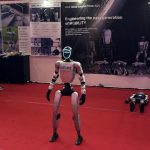
Here’s what actually happened. The administration moved to block imports of new foreign-made humanoid robots, robot dogs (quadrupeds) and power inverters, citing what officials described as an unacceptable national security threat. The framing matters. The restriction is written around mobile robots such as humanoids and quadrupeds — machines with legs, cameras and autonomy that a wary regulator might imagine wandering around sensitive spaces phoning home.
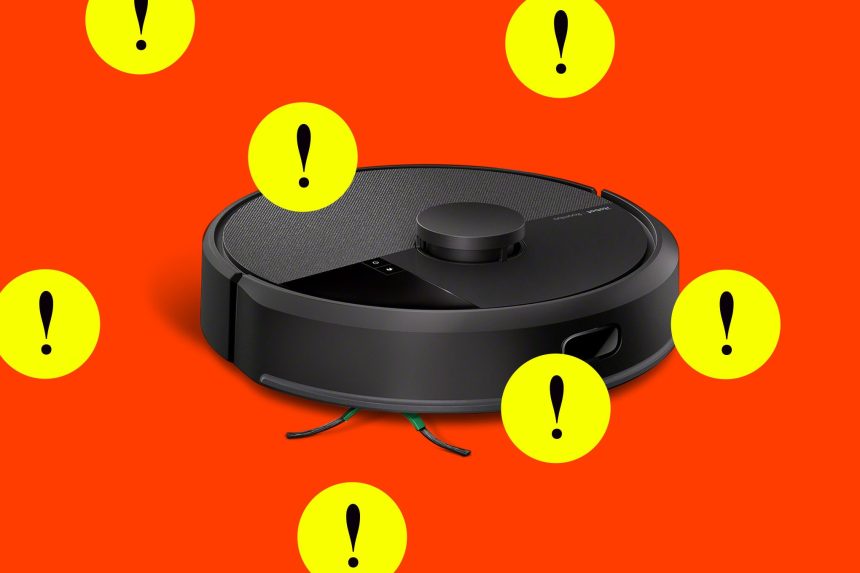
Robotic vacuum cleaners, despite early breathless reporting, do not appear to fall under that definition. Your little disc-shaped floor sweeper does not walk, does not stand on two legs, and — crucially for the language of the rule — is not classified as a humanoid or a quadruped. So no, Washington is not coming for the thing bumping into your table legs at 2 a.m.
The FCC has also been clear on scope: the measures do not affect previously authorized models or existing devices already in people’s homes. Whatever you already own keeps working, keeps getting sold through existing stock, and stays legal. The action is aimed squarely at future imports of the specific robot categories named above.
Why did the story mutate into a Roomba ban? Partly because robot vacuums are the one autonomous robot most people actually own, so they became the relatable shorthand for a policy that’s really about a different class of machine. And partly because the timing is genuinely awkward for the category’s most famous name.
iRobot, the company that made the Roomba a household word, has had a brutal stretch. It filed for Chapter 11 bankruptcy back in December 2025, and has since said it would go private after being acquired by Chinese manufacturer Picea Robotics. A US icon of home robotics now sitting under Chinese ownership is exactly the kind of detail that makes a security-flavored headline write itself — even when the actual regulation doesn’t mention vacuums at all.
That ownership shift is worth watching for a different reason. If future policy ever does widen the definition of a restricted robot, companies with overseas manufacturing suddenly have a lot to think about. For now, though, the practical takeaway is simple.
- The import restriction targets humanoids, quadruped robot dogs and power inverters.
- It does not cover robot vacuum cleaners.
- Existing and previously authorized devices are unaffected.
So the next time you see a claim that the government outlawed your favorite floor robot, take a breath. Your Roomba isn’t contraband — it’s just doing laps around the living room, blissfully unaware it briefly became a geopolitical talking point.