Every year Apple rolls out durability claims that sound suspiciously like marketing wishful thinking. The iPhone 17 Pro just got the kind of stress test no engineering lab would ever sign off on: a plunge from an airplane. And it walked away, or rather fell away, without a scratch.
The device belonged to a traveler who, by all accounts, watched it tumble out of an aircraft and expected to recover a fistful of shattered glass and bent aluminum. Instead, the phone was recovered pristine — fully functional, screen intact, chassis unblemished. It’s the sort of anecdote Apple’s PR team couldn’t have scripted better if they’d tried.
When the iPhone 17 Pro was announced on September 9, 2025, and hit shelves on September 19, 2025, Apple leaned hard into the phone’s toughness. That messaging now has an unexpected real-world receipt.
So what’s actually holding this thing together? A few things worth noting:
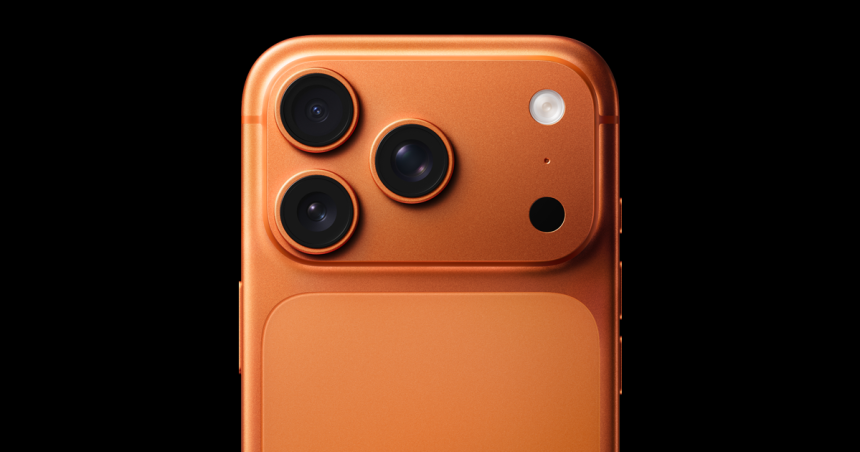
- Unibody aluminum chassis — the A19 Pro chip sits inside a single-piece aluminum body, which is likely a big part of why the phone shrugged off the impact.
- A19 Pro chip paired with a vapor chamber cooling system, keeping performance steady under load.
- 48-megapixel triple-lens camera system with a new Telephoto lens offering up to 8× zoom — useful whether your phone stays in your pocket or takes an unplanned skydive.
- The longest battery life of any iPhone to date, so it can survive a long flight and, apparently, the fall out of one.
To be clear, none of this means Apple has secretly built a phone rated for freefall from altitude. Physics is unpredictable — a lucky landing angle, soft ground, and a bit of terminal-velocity mercy can turn certain destruction into a viral survival story. Drop the same phone onto a concrete curb from waist height and the outcome could easily be uglier.
Still, the incident is a neat illustration of how far build quality has come. The unibody aluminum design isn’t just about looking premium; it distributes stress across the whole frame rather than concentrating it at weak points. Combine that with modern strengthened glass and you get a device that, at least once, laughed in the face of gravity.
The iPhone 17 Pro remains on sale at US$1,099. That’s not an invitation to test its aerodynamics yourself — a case and a firm grip are still cheaper than a replacement. But the next time someone tells you flagship phones are all fragile glass sandwiches, you now have a genuinely absurd counterexample to point to.