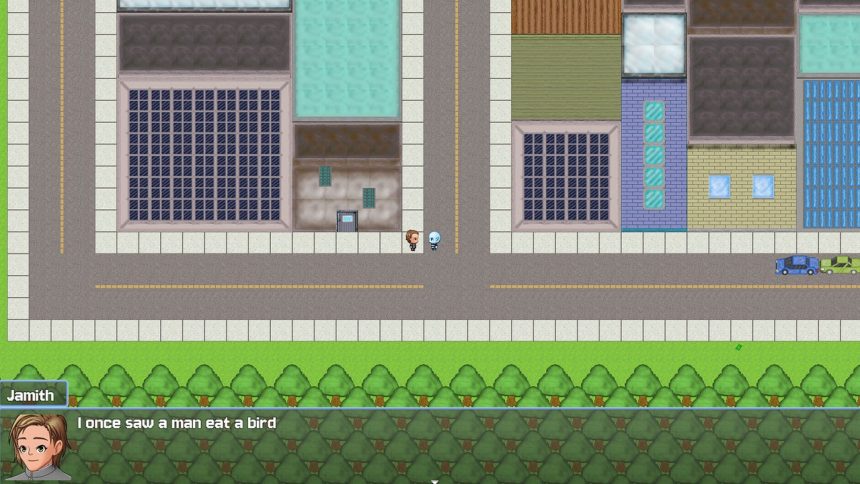
Every so often Steam becomes the stage for a piece of performance art disguised as software. Meet This Game Costs 200 Dollars, a title that does exactly what its name promises: it sells for US$200, the maximum price Valve’s storefront allows, and dares you to believe that’s a fair ask.
The brain behind the stunt is Stolen Valor Studios — in reality an 18-year-old developer named Michael Major. He pitches the game as “the swindle to end all swindles” and “a psychological experience,” the core loop being his sustained attempt to convince you that dropping US$200 is a reasonable thing to do.
Behind the meme sits an actual, if minimalist, game. Players wander the world of Schizopia, a map liberally decorated with beer and cigarettes, strolling around while the developer’s grand con unfolds around them. It’s less a product than a joke you buy your way into — then, presumably, buy your way back out of.
And buy their way out they did. Since its release on January 30, 2026, the game has racked up an eye-watering US$1.38 million in gross revenue from 6,717 units sold. The catch — and it is a spectacular one — is that 6,707 of those purchases were refunded. That works out to a 99.9% refund rate, quite possibly one of the highest ever recorded on the platform.
Steam’s famously generous refund policy is the punchline here. Anyone can reclaim their money within two hours of playtime and two weeks of purchase, which turns a US$200 price tag into a temporary flex rather than a genuine expense. Thousands of players clearly clicked “buy” for the bragging rights, took their screenshots, and quietly asked for their cash back.
- Developer: Stolen Valor Studios (18-year-old Michael Major)
- Price: US$200 — the Steam maximum
- Released: January 30, 2026
- Setting: Schizopia, a map full of beer and cigarettes
- Gross revenue: US$1.38 million from 6,717 units
- Refunds: 6,707 units — a 99.9% refund rate
What makes the whole affair so delightful is that everyone was in on it. The game never pretended to be worth the money; the price is the content. For a fleeting moment before the refunds landed, a teenager had technically generated over a million dollars in sales from a game about pretending a game costs US$200.
It’s a neat commentary on hype, digital ownership and the psychology of a bargain — or the absence of one. Whether Valve tightens the screws on stunts like this remains to be seen, but as trolling goes, This Game Costs 200 Dollars is close to flawless: a self-aware con that told you it was a con, charged you accordingly, and let you keep the story for free.