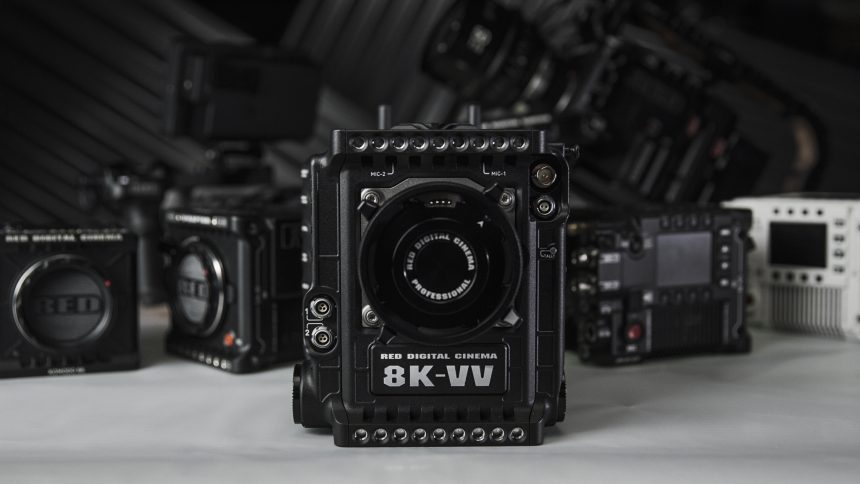
For years, RED’s grip on compressed Raw video felt unbreakable. The company famously wielded its patents like a legal battering ram, forcing rivals to either license the technology or steer clear of putting Raw recording into their cameras. Apple, Sony and Nikon all took swings at those patents over the years — and all came up short. Now Panasonic has done what none of them managed.
On June 30, 2026, Japan’s Intellectual Property High Court ruled to invalidate one of the key patents covering image processing of compressed Raw video. The patent, originally filed in the US back in 2008, described a method of compressing Raw sensor data before writing it to storage — the very foundation of RED’s dominance in high-end digital cinema for well over a decade.
The court’s reasoning is the part that really stings. Judges found that many of the patent’s claims lacked an inventive step: in plain terms, they would have been obvious to any engineer already familiar with the state of the art at the time of filing. That’s one of the harshest verdicts a patent can receive, because it doesn’t just narrow the scope — it declares the idea was never novel enough to protect in the first place.
There’s an extra twist to the ownership. The patent no longer belongs to RED as an independent player. Nikon acquired RED’s US operation, so it was Nikon that stood on the losing side of the ruling, watching Panasonic dismantle a piece of intellectual property it had bought into.
Why does this matter beyond a courtroom in Tokyo? Because compressed Raw is the format that professional filmmakers crave. It preserves the maximum amount of sensor information for grading and post-production, while keeping file sizes manageable enough to actually shoot with. For years, the patent thicket meant camera makers had to tiptoe around RED’s claims or pay up. Loosen that grip, and the door opens for more manufacturers to bake genuine Raw recording into their bodies without the legal shadow hanging overhead.
Panasonic, of course, has a direct stake here. As a serious contender in the mirrorless and cinema camera space, freeing up compressed Raw workflows plays straight into its own product roadmap. But the ripple effect could reach far wider — every rival that ever balked at the licensing terms now has fresh ammunition.
A couple of caveats are worth keeping in mind. This ruling covers a specific patent under Japanese jurisdiction, and RED’s Raw portfolio has always been broad. One invalidated patent doesn’t tear down the whole wall overnight, and appeals and parallel disputes elsewhere remain a possibility. Still, symbolically, the crack is significant: the aura of invincibility around RED’s Raw patents has taken its most public hit yet — and it came from a competitor, not a giant like Apple or Sony.