Small drones have become a big problem, and the US Army wants a purpose-built answer. In August 2026 the service issued a call for proposals for the Next Generation C-sUAS Missile (NGCM), a surface-to-air interceptor designed specifically to knock down small unmanned aircraft — the kind of cheap, buzzing threats that have reshaped modern battlefields.
The headline demand is cost. The Army wants each round to come in at less than $150,000, a deliberate effort to close the ugly economics gap that lets an inexpensive quadcopter soak up a missile worth many times its value. Get the price right, and defenders can afford to shoot back as often as the drones keep coming.
Performance targets are laid out in two stages. The initial capability calls for intercepting drones at up to 6 kilometers altitude with a range exceeding 16 kilometers. The ultimate goal pushes that envelope to 8 kilometers altitude and a range exceeding 25 kilometers — enough reach to engage threats well before they close on protected assets.
Guidance comes courtesy of a radar seeker, and the Army has set an aggressive reaction requirement: the missile must leave its launcher within 5 seconds of the firing command. Against fast, low, and hard-to-track targets, those seconds matter — a sluggish launch cycle can mean the difference between a clean kill and a missed shot.
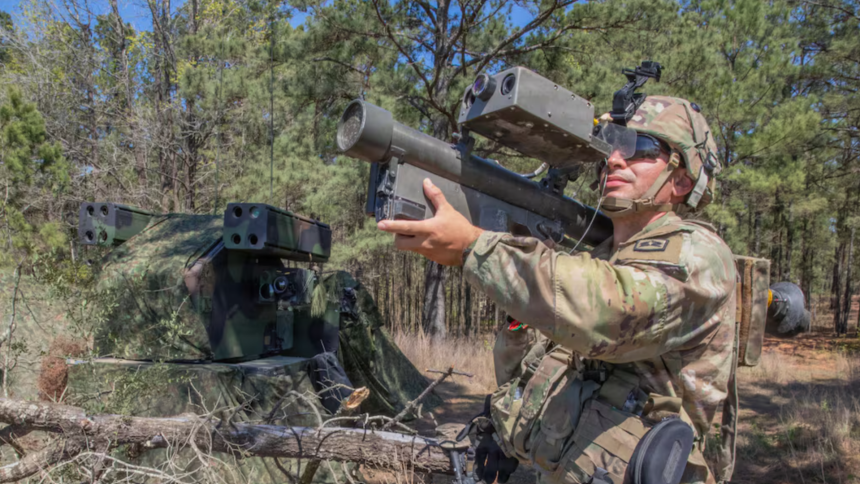
Crucially, NGCM isn’t meant to arrive as a standalone system that reinvents the wheel. The Army wants it to integrate with existing Coyote launchers and radar systems, folding new firepower into hardware already fielded and familiar to operators. That approach trims logistics headaches and speeds adoption, letting units bolt on improved capability rather than stand up an entirely new architecture.
A few caveats are worth stressing, because this is early-stage work rather than a finished product. There is no NGCM sitting on a shelf, no unit rolling off a production line. What exists right now is a request for proposals and a development roadmap. The program is targeting Technology Readiness Level 7 by the end of the fourth quarter of fiscal 2027, meaning a prototype demonstrated in an operational environment — a meaningful milestone, but still short of full production.
Read together, the requirements paint a clear picture of what the Army has learned. The emphasis on affordability, rapid launch, extended range, and integration with in-service launchers reflects lessons from conflicts where swarms of small drones have proven both cheap to deploy and stubbornly difficult to defeat. NGCM is the Army’s bid to answer that threat without bankrupting the defender in the process.
Whether industry can hit that sub-$150,000 price while delivering the reach and speed the Army wants is the open question. If it works, NGCM could become a workhorse of layered air defense. For now, it remains a set of demanding specs and a deadline — an ambition on paper, with the hard engineering still ahead.