If you’ve never stood in the moon’s shadow, 2026 offers rare chances to fix that. The Iberian Peninsula is set to experience total darkness for the first time in about a century, and the momentum from that spectacle rolls straight into the eclipse events worth planning around.
Here’s the thing about totality: it isn’t a spectator sport you can improvise. The path of the moon’s full shadow is narrow, weather is fickle, and the good hotels along the centerline fill up years in advance. Astronomy enthusiasts who score front-row seats for the next big event won’t get lucky — they’ll have planned.
August 2026 is a double feature. This coming August will deliver both a solar and a lunar eclipse in the same month, giving observers two very different shows — including the headline-making Iberian total solar eclipse on August 12, 2026. Solar eclipses demand certified eye protection and, ideally, a spot inside the path of totality, where the sky darkens and the Sun’s corona flares into view. Lunar eclipses, by contrast, are forgiving — no filters, no crowds, just a coppery moon you can watch from your own backyard.
Why the fuss over gear? Because the difference between a memorable eclipse and a frustrating one usually comes down to preparation. A few essentials worth sorting out ahead of time:
- Solar viewers or eclipse glasses rated to the proper international safety standard — sunglasses, no matter how dark, do not count.
- A solar filter for your camera or telescope if you plan to shoot the partial phases. Point unfiltered optics at the Sun and you’ll cook your sensor and possibly your retina.
- A location scouted for clear skies, because clouds have ruined more eclipse trips than any equipment failure.
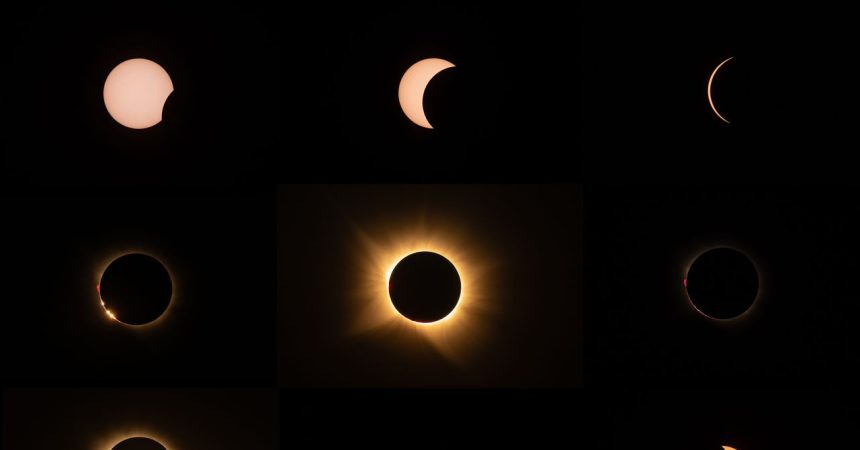
The Iberian totality that will make headlines marks roughly a century since the Iberian Peninsula last sat squarely in the moon’s full shadow, and the images from inside the path of totality should be extraordinary — a black disc ringed by ghostly plasma, framed by a horizon glowing like a 360-degree sunset. That’s the payoff for chasing the centerline instead of settling for a partial view.
For everyone weighing whether it’s worth the effort: a partial eclipse and a total eclipse are not the same experience by degrees, they’re different experiences entirely. Even 99 percent coverage leaves the sky in daylight. Totality flips a switch — temperature drops, birds go quiet, and with the Iberian eclipse falling near sunset, a few bright planets and stars can emerge in the darkened sky.
The astronomical calendar is generous over the coming stretch, with meteor showers like the Perseids peaking each August alongside the eclipse events. But eclipses reward the organized. Book the travel, buy the certified glasses, test the camera rig, and pick a backup weather site. The universe runs on schedule — the only variable is whether you’re ready when it does.